





Product Introduction
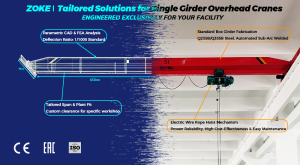
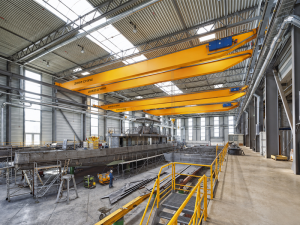
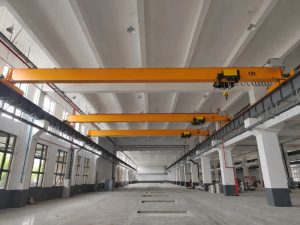
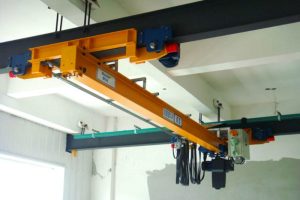
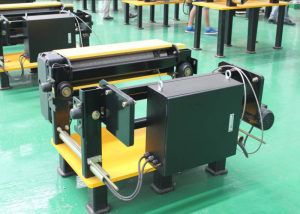
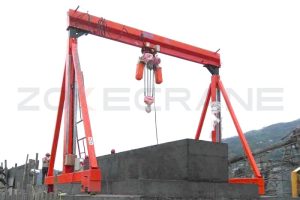
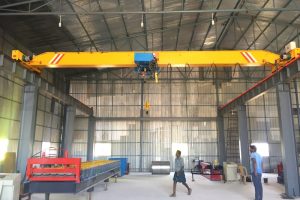
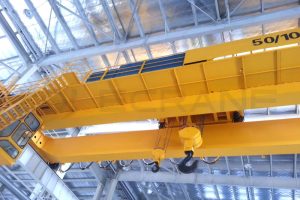
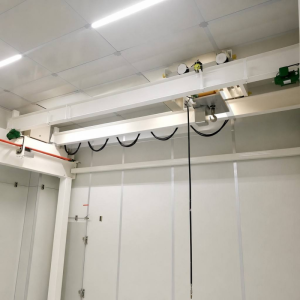
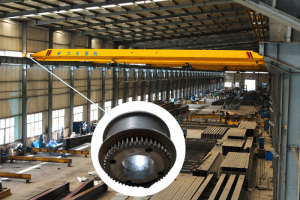
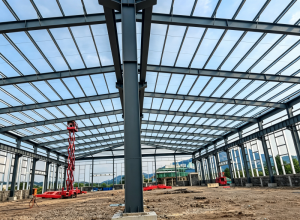
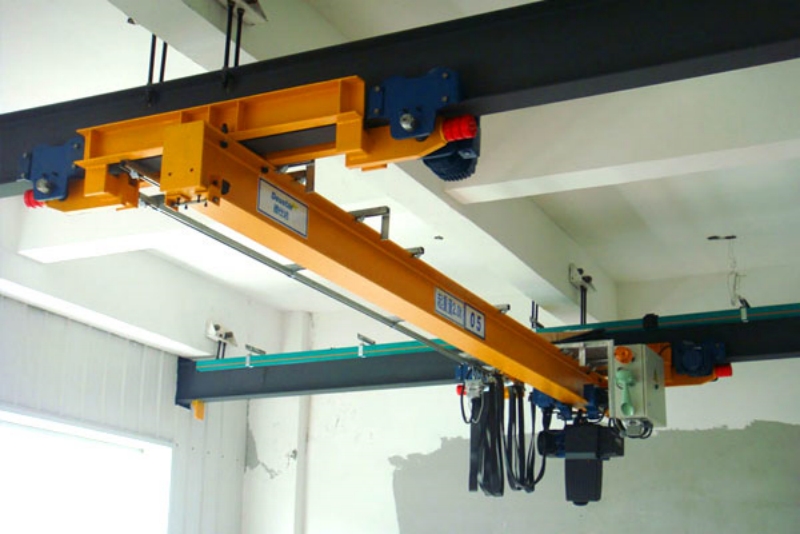
An Underhung Overhead Crane (also called an Underslung, Suspension, or Ceiling Mounted Overhead Crane) runs on the bottom flange of roof-supported runway beams, leaving floor space completely open and column-free. It provides an efficient, space-saving solution for light- to medium-duty material handling across workshops, assembly lines, and warehouses.
Manufactured by Henan Zoke Crane Co., Ltd. (ZOKECRANE) in Changyuan, China, these systems are available as single girder, double girder, or monorail suspension cranes—fully customized to optimize headroom, workflow, and operational efficiency for global industrial facilities.
For workshops with limited headroom or special building structures, an underhung overhead crane provides a compact, flexible, and cost effective lifting solution. It can help improve material transfer efficiency, reduce manual handling, optimize production layout, and make better use of existing workshop space.
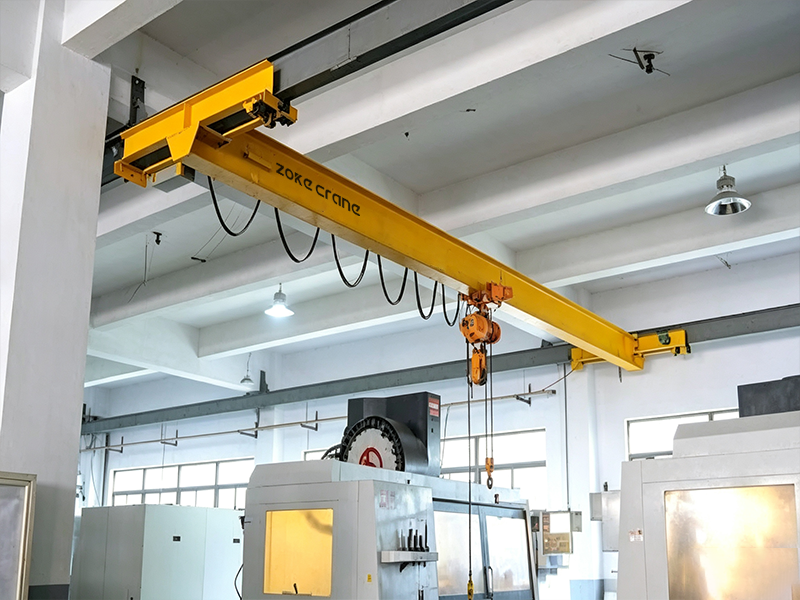
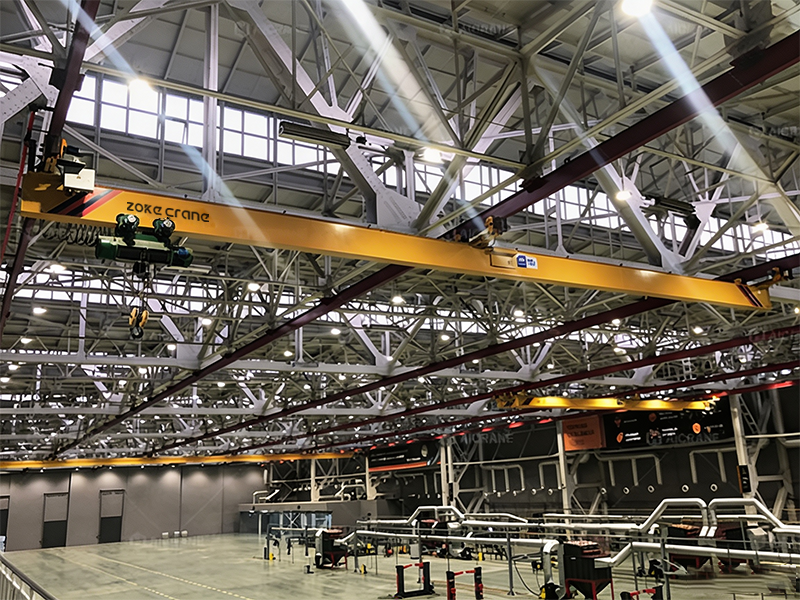
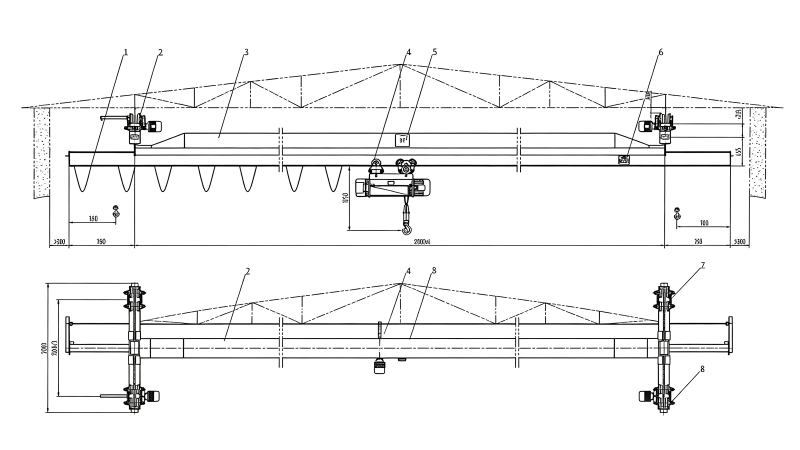
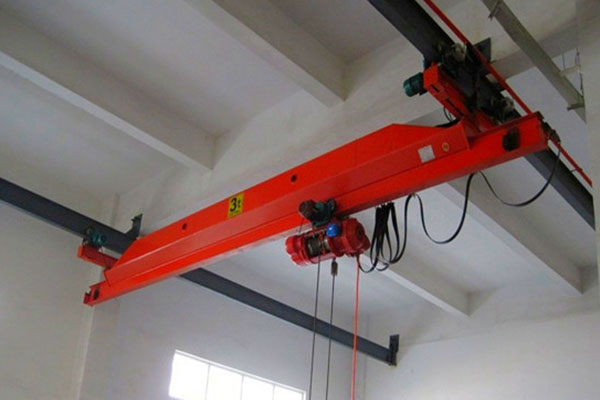
Applications of Underhung Overhead Crane
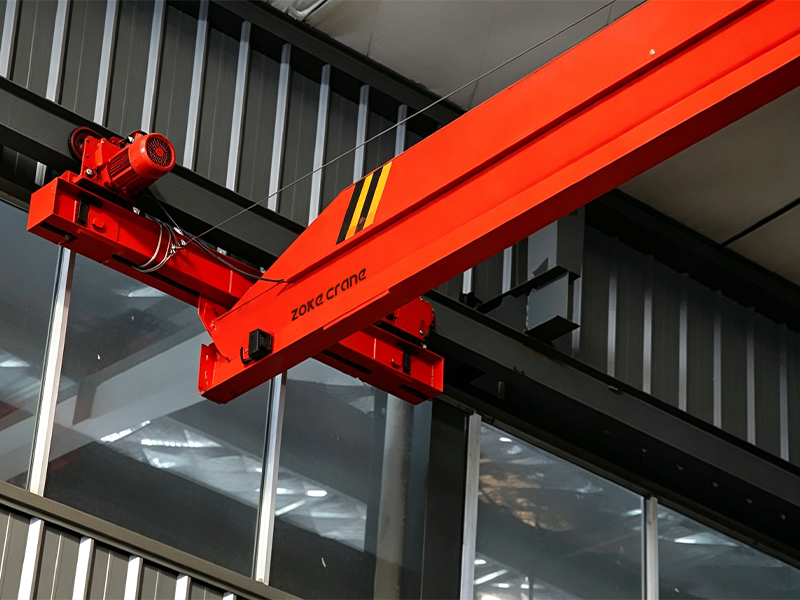
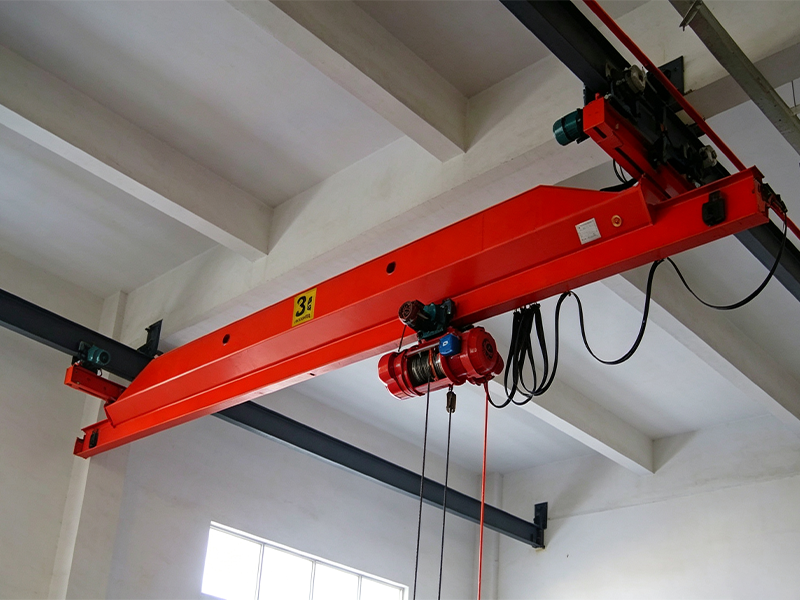
Underhung overhead cranes are widely used in workshops, factories, warehouses, and production facilities where floor space must be kept clear or where a traditional top running crane structure is not suitable. They are especially useful for light to medium-duty material handling and localized lifting operations.
Machinery Workshops
In machinery workshops, underhung cranes are used to lift and move machine parts, tools, molds, motors, gearboxes, and semi-finished components. They help improve internal logistics and reduce manual handling.
Assembly Lines
Underhung overhead cranes are suitable for assembly stations and production lines. They can be installed above work areas to move components from one process to another without occupying floor space.
Warehouses
In warehouses, suspension overhead cranes are used for loading, unloading, stacking, and transferring materials. Their ceiling-mounted structure helps maximize storage space and improve handling efficiency.
Maintenance Areas
Underhung cranes are often installed in equipment maintenance workshops to lift motors, pumps, reducers, machine parts, and other components during repair and replacement operations.
Light Manufacturing Plants
For light manufacturing facilities, underhung overhead cranes provide a compact and practical lifting solution for daily material handling, component transfer, and production support.
Steel Structure and Fabrication Workshops
In fabrication workshops, underhung cranes can be used to lift steel plates, profiles, welded components, and structural parts, especially when the building structure is suitable for suspension crane installation.
Automotive and Parts Production
Underhung crane systems can support automotive parts assembly, mold handling, tool changing, and component transfer along production lines.
Processing Facilities
In processing plants, underhung cranes can help transfer raw materials, semi-finished products, packaging materials, and equipment parts between different working areas.
Why Choose ZOKECRANE Underhung Overhead Crane?
Professional Crane Manufacturer
ZOKECRANE is operated by Henan Zoke Crane Co., Ltd., a professional lifting equipment manufacturer specializing in overhead cranes and gantry cranes. Our manufacturing base is located in Changyuan, Henan Province, one of China’s major crane production centers.
Customized Crane Design
ZOKECRANE can customize underhung overhead cranes according to lifting capacity, span, lifting height, building structure, runway beam layout, hoist type, working duty, control method, and power supply. We can provide a suitable crane solution based on your workshop drawings and lifting process.
Space-Saving Solution
The underhung crane is suspended from the overhead structure, which helps keep the floor area open. It is suitable for facilities where supporting columns are not desired or where available space must be used efficiently.
Reliable Hoist and Traveling Mechanism
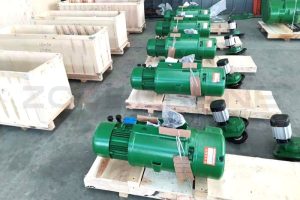
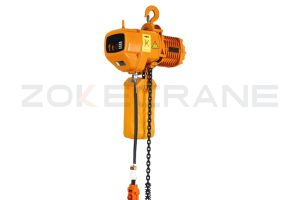
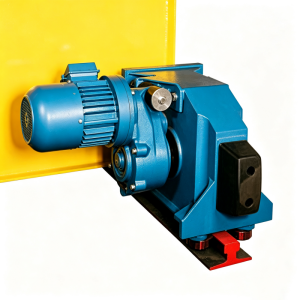
ZOKECRANE can provide reliable electric chain hoists, wire rope electric hoists, end carriages, motors, reducers, and electrical systems for stable lifting and traveling performance.
Suitable for Existing Workshops
Underhung overhead cranes can often be designed for existing workshops where a top running crane is difficult to install. With proper structural evaluation, the crane can be adapted to the available roof or support structure.
Quality Control and Certification
ZOKECRANE has established a comprehensive quality management system and obtained ISO, CE, and SGS certifications. We focus on quality control throughout design, material preparation, welding, machining, assembly, electrical installation, testing, painting, packaging, and shipment.
Export Experience
ZOKECRANE products have been supplied to customers in Russia, Uzbekistan, the Philippines, Bangladesh, Australia, Qatar, Tanzania, Singapore, Saudi Arabia, Brazil, Nigeria, and many other countries and regions. We understand the requirements of international projects and provide professional support for overseas customers.
Technical Support and Service
ZOKECRANE provides crane selection support, technical drawings, installation guidance, operation manuals, electrical diagrams, spare parts suggestions, and after-sales service support for international customers.
Frequently Asked Questions About Underhung Overhead Crane
1. What is an underhung overhead crane?
An underhung overhead crane is a type of overhead crane whose bridge girder is suspended from the lower flange of runway beams. The crane travels under the runway structure, which is why it is also called an underslung overhead crane, under running crane, or suspension overhead crane.
2. What is the difference between an underhung overhead crane and a top running overhead crane?
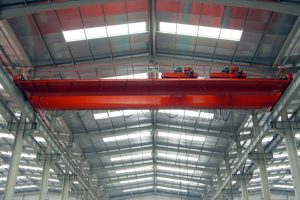
A top running overhead crane runs on rails mounted on top of runway beams, usually supported by columns or building structures. An underhung overhead crane runs on the lower flange of the runway beams and is suspended from the overhead structure.
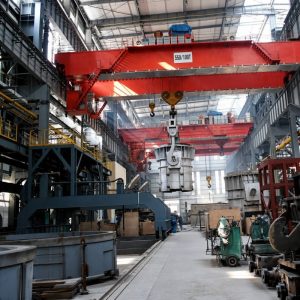
Underhung cranes are usually more compact and suitable for light to medium-duty applications, while top running cranes are commonly used for heavier lifting capacities and larger spans.
3. When should I choose an underhung overhead crane?
You can choose an underhung overhead crane when:
- Floor space is limited
- Supporting columns are not preferred
- The lifting capacity is light or medium duty
- The workshop has a suitable roof or support structure
- You need a compact lifting system
- The crane is used for assembly, maintenance, warehouse handling, or production support
4. Can an underhung overhead crane be installed in an existing workshop?
Yes. In many cases, an underhung overhead crane can be installed in an existing workshop. However, the building structure must be checked to confirm whether it can support the crane load, hoist load, dynamic load, and runway system. ZOKECRANE can provide technical support based on your workshop drawings.
5. What lifting capacity is available?
Common lifting capacities include 0.5 ton, 1 ton, 2 ton, 3 ton, 5 ton, and 10 ton. Larger capacities may be available depending on structure design and project requirements. The final capacity should be selected according to the actual load and working conditions.
6. What hoist can be used with an underhung crane?
Underhung overhead cranes can be equipped with:
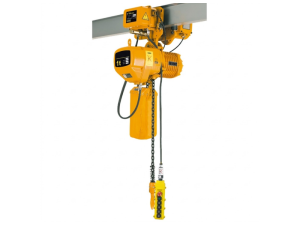
- Electric chain hoist
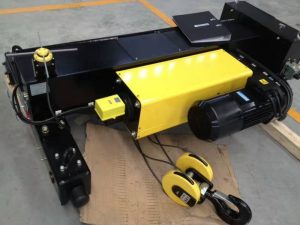
- Wire rope electric hoist
- Low headroom hoist
- Customized hoist trolley
Electric chain hoists are often used for light-duty applications, while wire rope hoists are suitable for larger capacities and higher lifting heights.
7. Can the crane span and lifting height be customized?
Yes. The span, lifting height, crane traveling length, hoist type, control method, and power supply can all be customized according to customer requirements and workshop conditions.
8. What control methods are available?
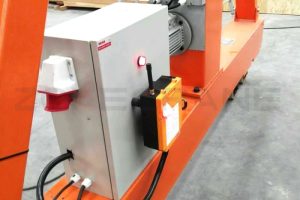
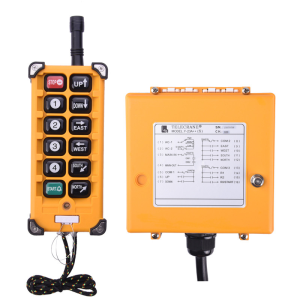
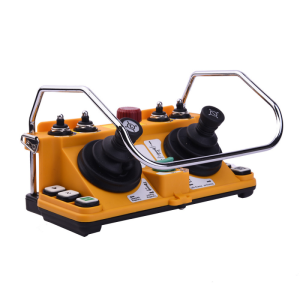
Common control methods include pendant control and wireless remote control. For some special applications, the control system can be customized according to the operating process and safety requirements.
9. What information should I provide for quotation?
To provide an accurate quotation, please provide:
- Lifting capacity
- Crane span
- Lifting height
- Crane traveling length
- Type of material to be lifted
- Daily working hours or working duty
- Indoor or outdoor working environment
- Workshop drawings or roof structure information
- Power supply voltage and frequency
- Control method requirement
- Destination country or port
- Any special requirements
10. What safety devices are included?
Common safety devices include:
- Overload protection
- Upper and lower limit switches
- Crane traveling limit switch
- Emergency stop
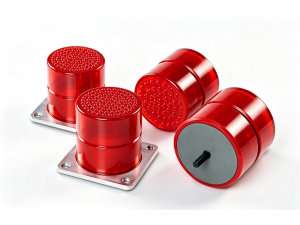
- Buffer
- Anti-collision device, if required
- Phase sequence protection
- Voltage loss protection
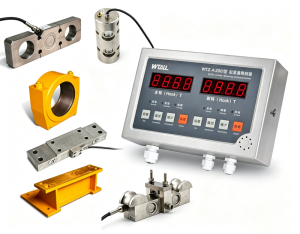
- Warning light or alarm, if required
Export and Logistics FAQ for ZOKECRANE Underhung Overhead Crane
1. Can ZOKECRANE export underhung overhead cranes overseas?
Yes. ZOKECRANE has supplied crane equipment to customers in Russia, Uzbekistan, the Philippines, Bangladesh, Australia, Qatar, Tanzania, Singapore, Saudi Arabia, Brazil, Nigeria, and many other countries and regions. We can provide export packaging, international shipping support, technical documents, and project support for overseas customers.
2. How is the underhung overhead crane packed for export?
For export shipment, bridge girders, end carriages, electric hoists, runway beams, electrical cabinets, cables, control systems, bolts, and accessories are packed according to sea transportation and long-distance delivery requirements.
Steel structures are usually wrapped and fixed properly. Electrical parts, hoists, motors, reducers, and small components are packed in wooden cases or export-standard packages.
3. Can the underhung overhead crane be shipped by container?
Yes. Most underhung overhead cranes can be shipped by container. If the bridge girder or runway beam is too long for a standard container, it can be divided into sections or shipped by open-top container, flat rack container, or bulk cargo depending on the project size.
4. What shipping methods are available?
Common shipping methods include:
- Standard container shipping
- Open-top container shipping
- Flat rack container shipping
- Bulk cargo shipping
- Land transportation
- Railway transportation
- Multimodal transportation
The suitable shipping method depends on crane span, girder length, runway beam length, total weight, destination country, delivery schedule, and shipping cost.
5. Can ZOKECRANE help arrange shipment to our destination port?
Yes. ZOKECRANE can assist with shipment arrangement according to the agreed trade terms. Customers may also choose their own freight forwarder.
6. What export documents can ZOKECRANE provide?
ZOKECRANE can usually provide the following documents:
- Commercial invoice
- Packing list
- Bill of lading
- Certificate of origin, if required
- Product certificate
- Quality inspection report, if required
- CE documents, if required
- Operation manual
- Installation drawings
- Electrical drawings
- Packing drawings
- Spare parts list
The final document list can be prepared according to customer requirements and destination country regulations.
7. Can ZOKECRANE provide installation guidance?
Yes. ZOKECRANE can provide installation drawings, operation manuals, electrical drawings, and technical guidance. For overseas projects, installation support can be discussed according to project requirements.
8. What should be checked before installation?
Before installation, customers should check:
- Building structure or support frame
- Runway beam installation position
- Crane span and lifting height
- Power supply condition
- Installation tools and lifting equipment
- Foundation or support condition, if required
- Package quantity and component condition
- Technical drawings and installation instructions
9. What should we check after receiving the crane?
After receiving the underhung overhead crane, customers should check:
- Package condition
- Quantity of components
- Bridge girder sections
- End carriages
- Electric hoist
- Runway beams, if included
- Electrical cabinets and control components
- Motors and reducers
- Cables and accessories
- Bolts and fasteners
- Nameplates and markings
- Technical documents and drawings
- Spare parts, if included
If any damage or missing parts are found, please contact ZOKECRANE promptly with photos, packing list, and shipping documents.
10. How long does production and delivery take?
Production and delivery time depends on crane type, lifting capacity, span, lifting height, runway beam configuration, hoist type, electrical system, customization requirements, order quantity, and production schedule.
After confirming the technical requirements and commercial terms, ZOKECRANE can provide a clear production and delivery plan.