




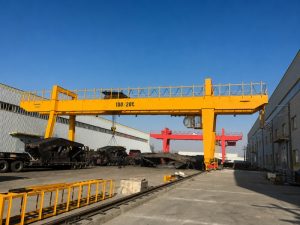
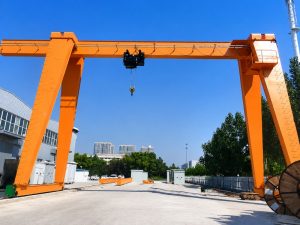
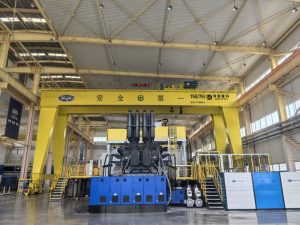
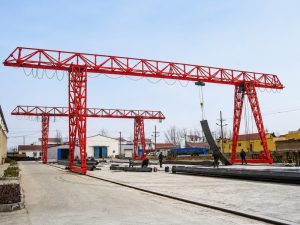
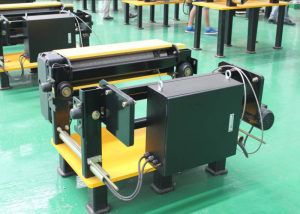
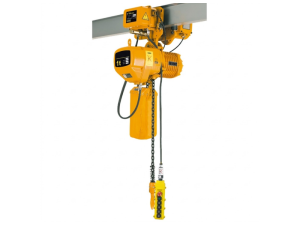
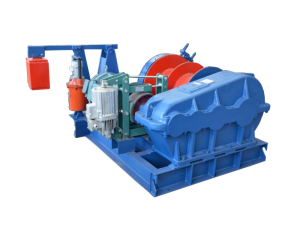
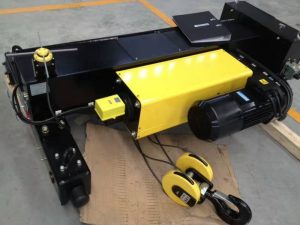



Single Girder Overhead Crane
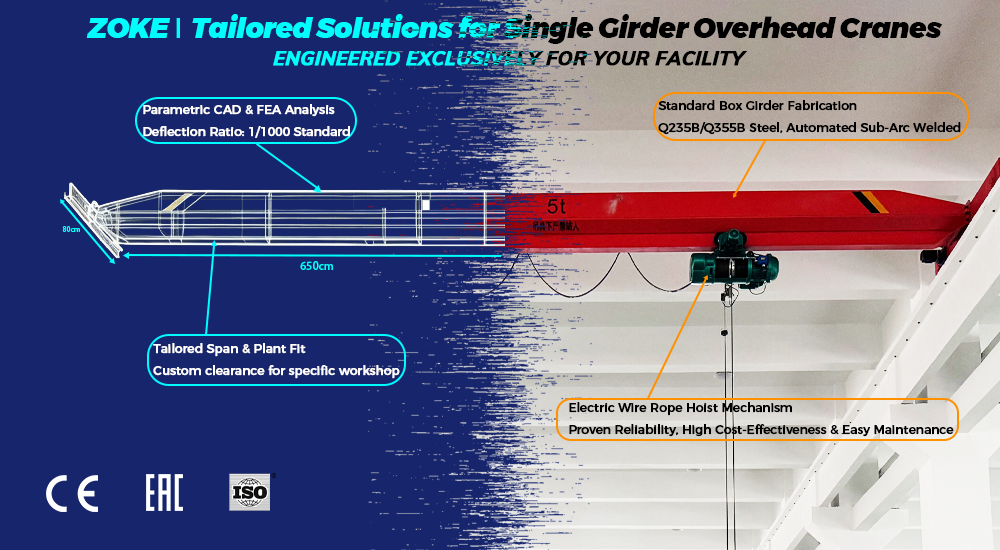
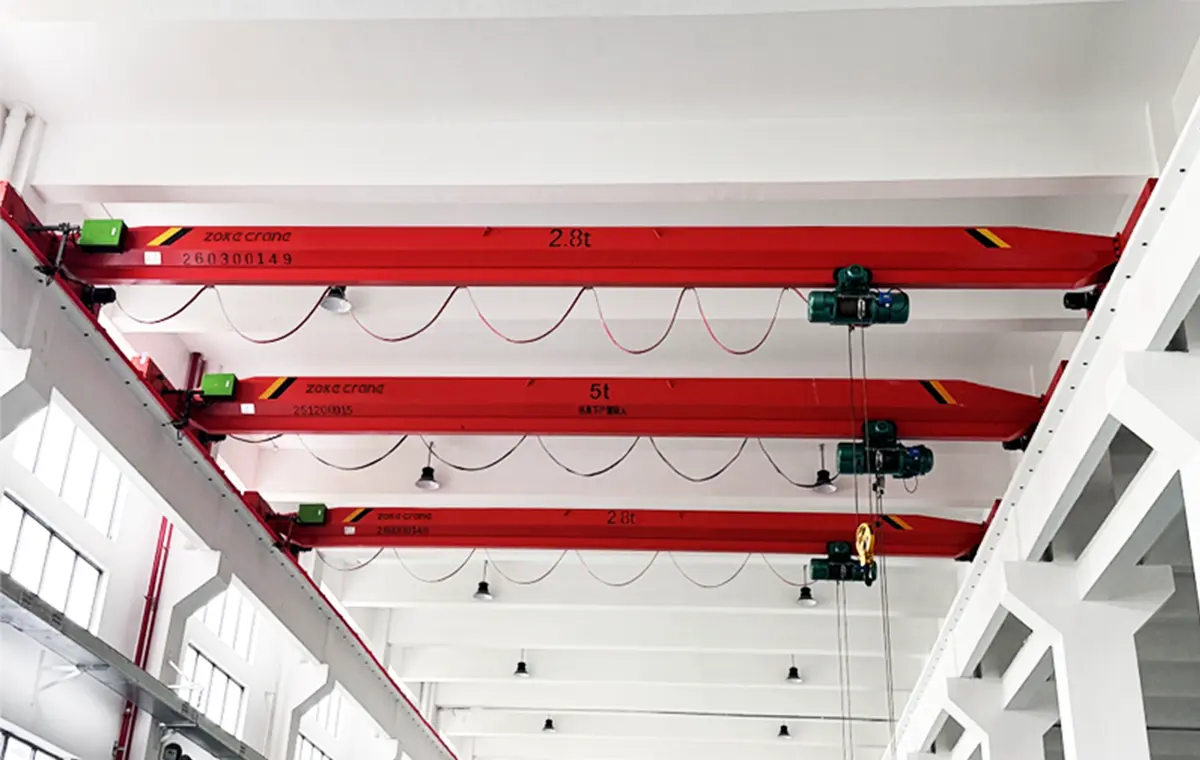
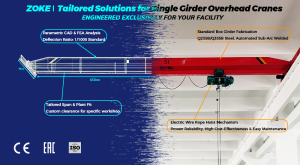
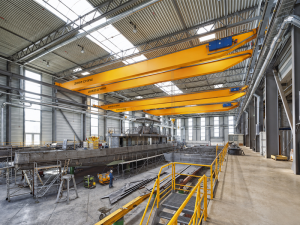
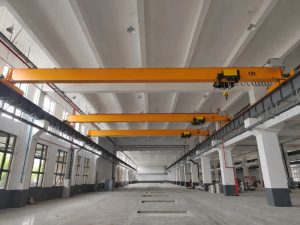
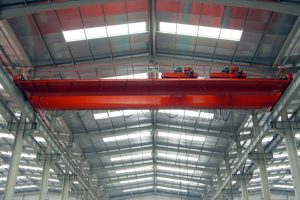
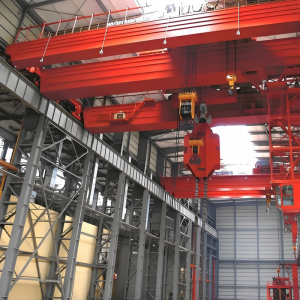
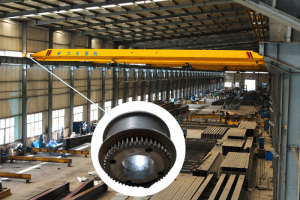
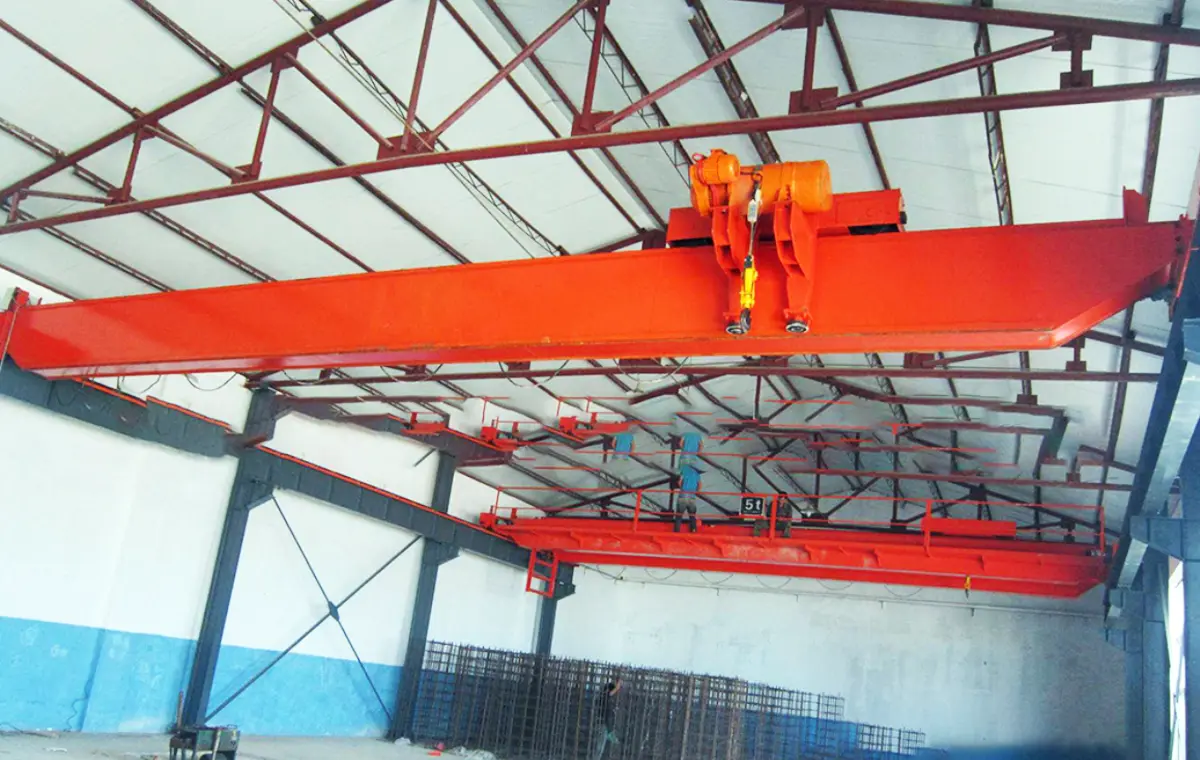
Single Girder Electric Overhead Travelling Crane
The most widely adopted overhead crane type, featuring a simple structure, economical investment, and fast, low-cost installation and maintenance.
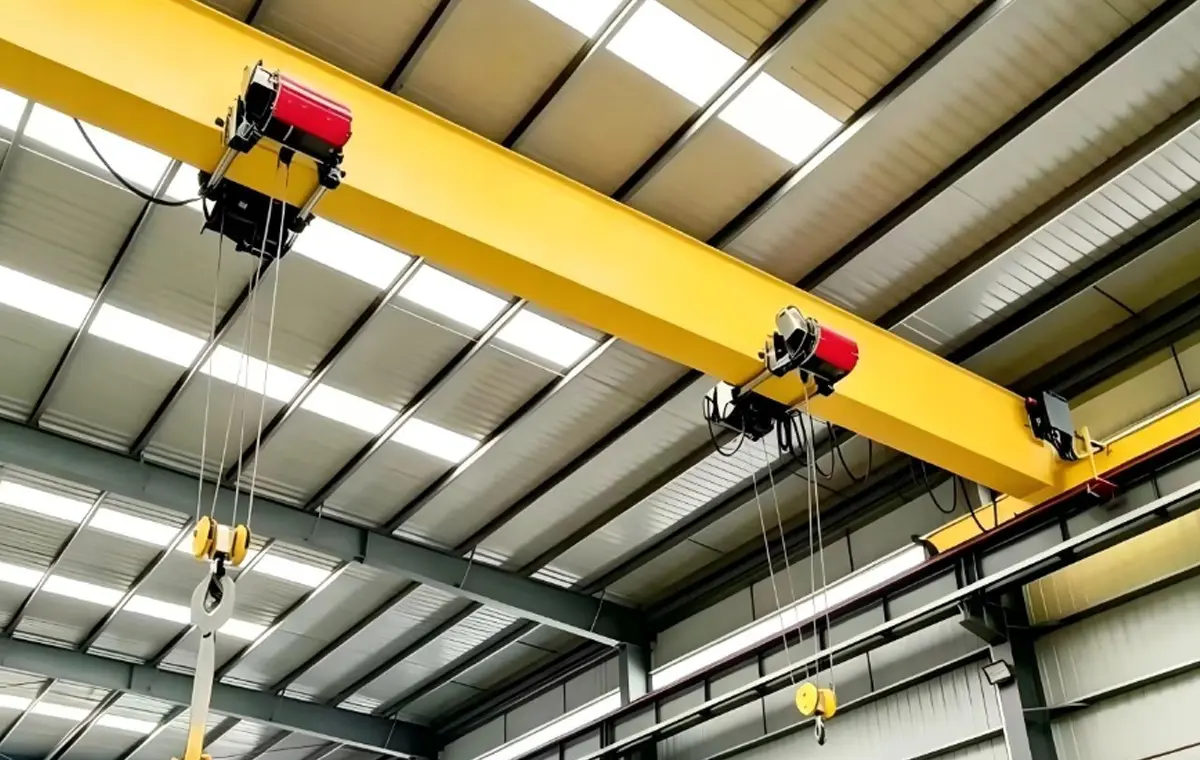
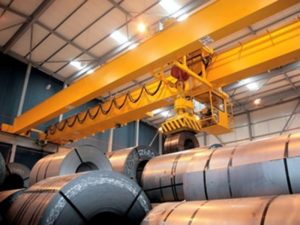
Low Headroom Single Girder Overhead Crane
Engineered with a compact low-headroom profile to maximize lifting height — the ideal choice for plants with limited building height.
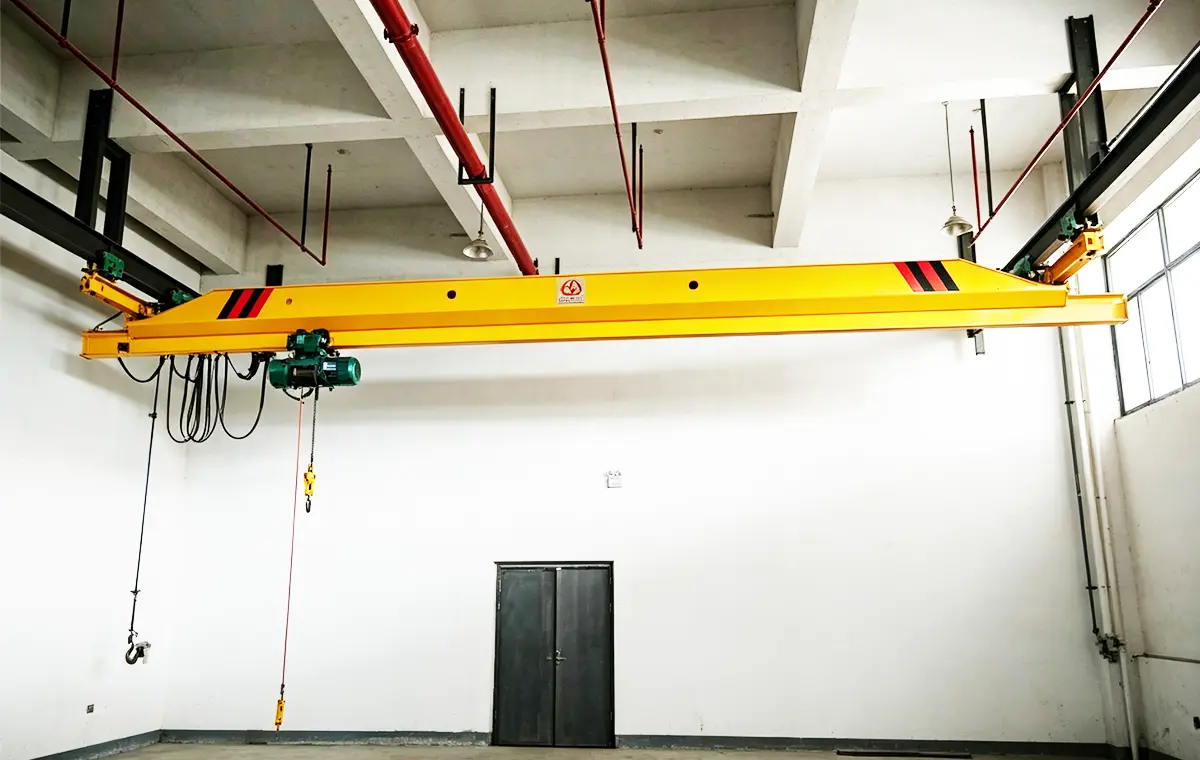
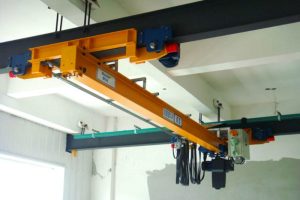
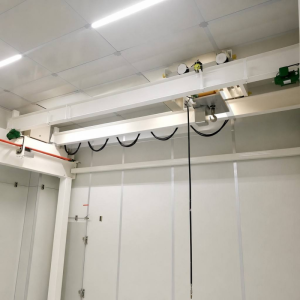
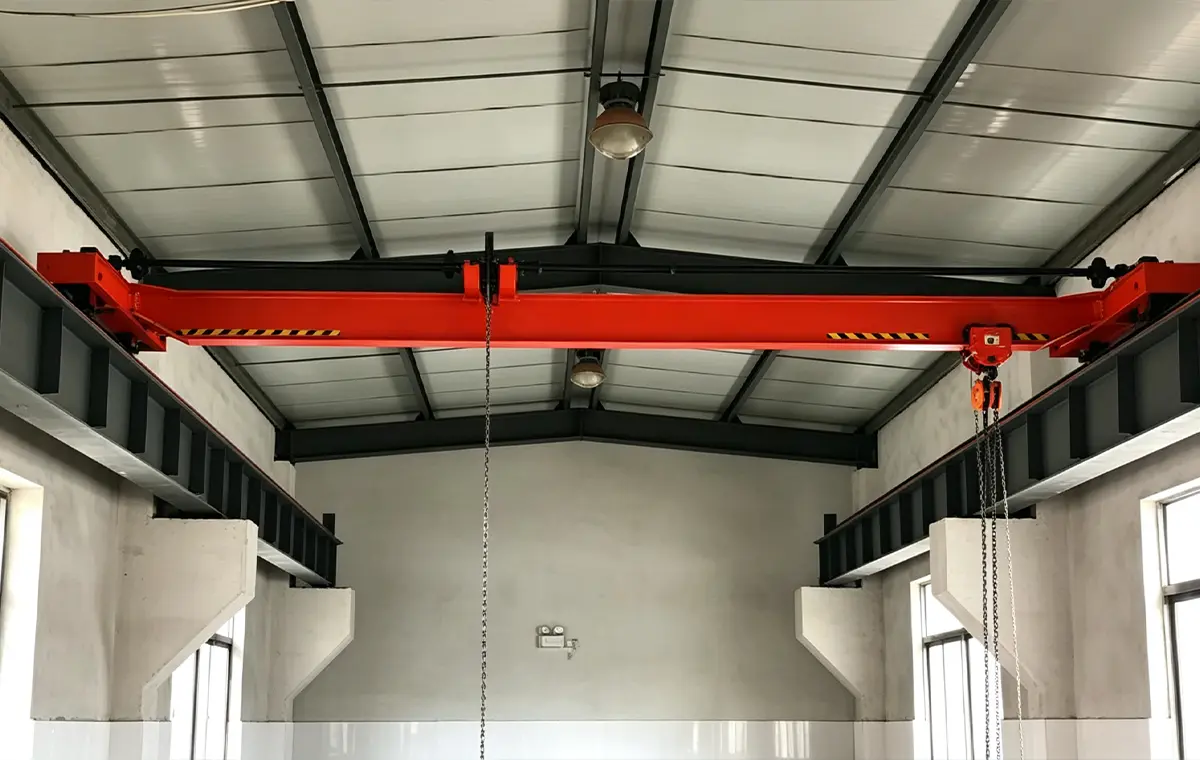
Underslung Single Girder Overhead Crane
Suspended directly from roof-mounted rails; the perfect solution for plants without load-bearing columns, fully utilizing the load-bearing roof structure.
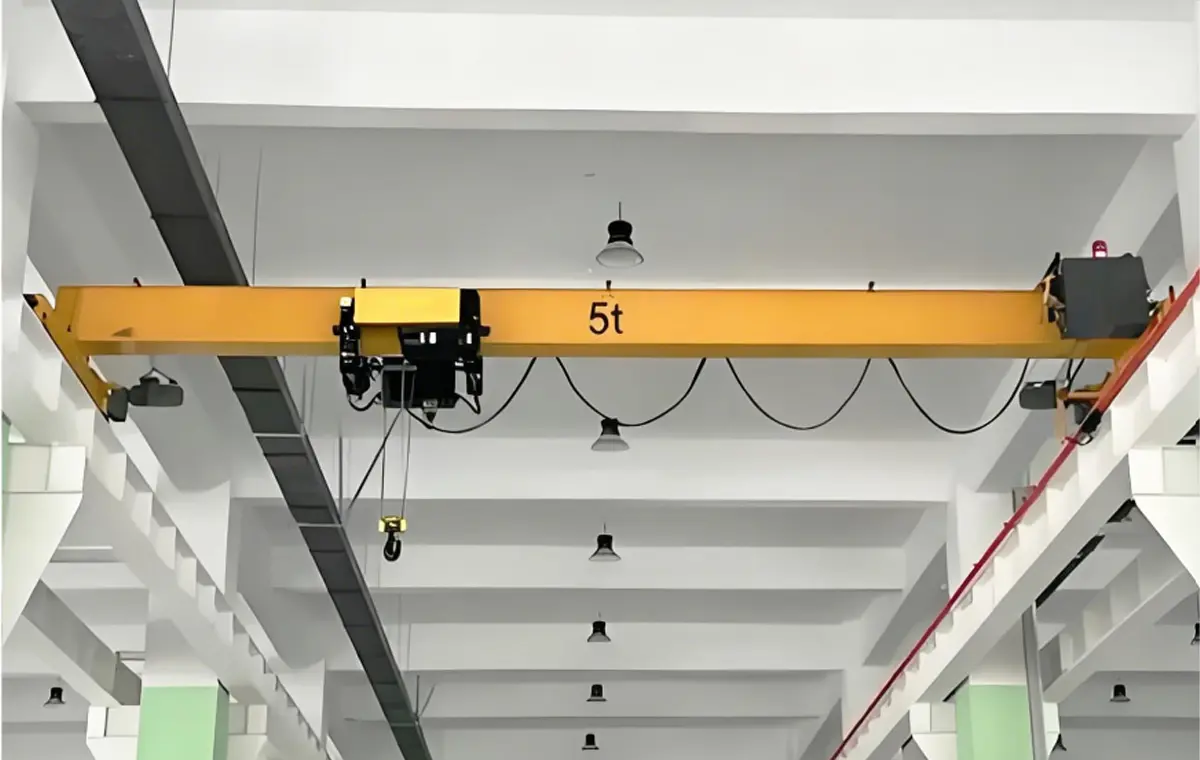
FEM/DIN Single Girder Overhead Crane
Engineered to FEM and DIN standards with a compact design for maximum space utilization, featuring stepless speed regulation and quiet, maintenance-free operation.
Offset Trolley Single Girder Overhead Crane
The offset trolley design increases effective lifting height and improves hook approach, delivering higher space utilization and smoother, more stable operation.
Manual Single Girder Overhead Crane
Purpose-built for plants without access to electrical power, offering reliable manual operation with proven safety and minimal investment.
Electric Single Girder Overhead Crane
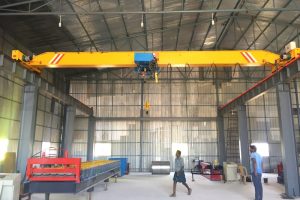
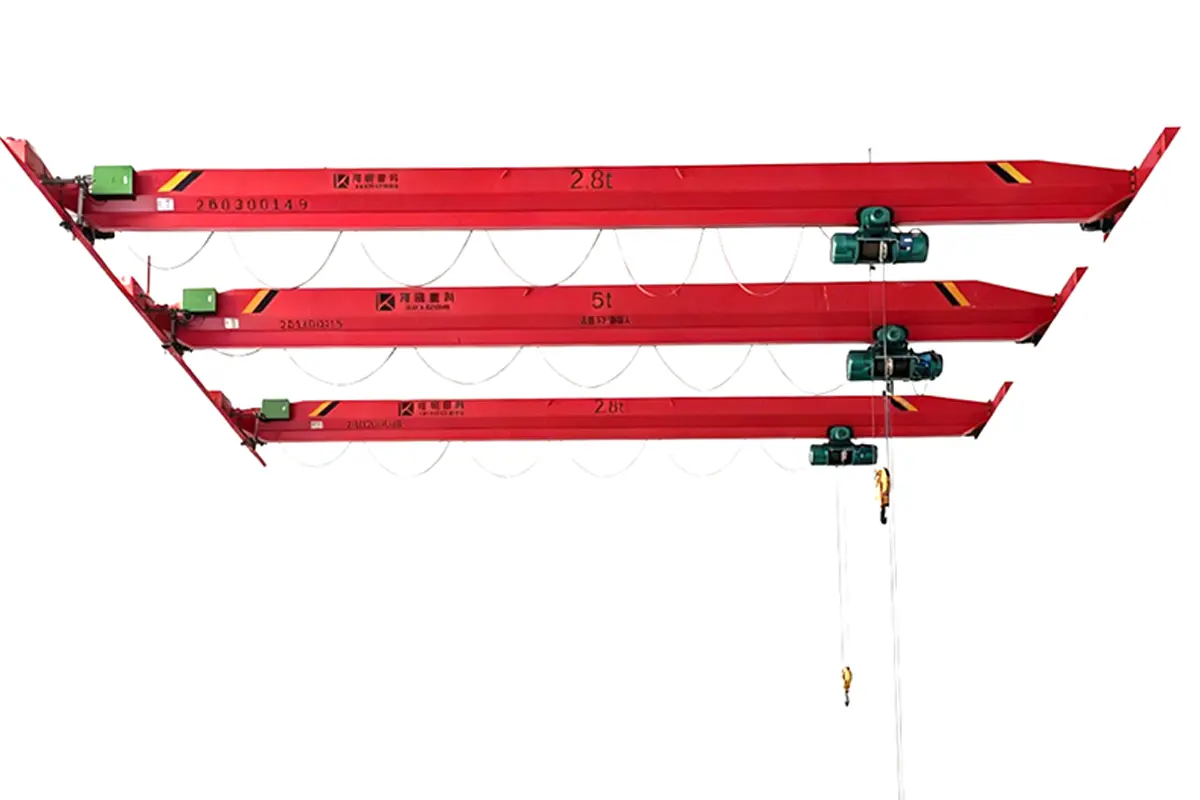
Single girder electric overhead travelling cranes, also known as single girder EOT cranes or single beam overhead cranes, are among our most popular lifting solutions. With capacities from 0.5 to 20 tonnes and spans up to 31.5 m, they provide a cost-effective and reliable solution for workshops, warehouses and suitably configured outdoor applications.
Customizable Specifications
- Rated Lifting Capacity: 0.5, 1, 2, 3, 5, 10, 16 or 20 tonnes
- Span: 7.5-31.5 m
- Lifting Height: 6, 9, 12, 18, 24 or 30 m
- Working Duty: A3-A4
- Power Supply: 220-660 V, 3-phase, 50/60 Hz
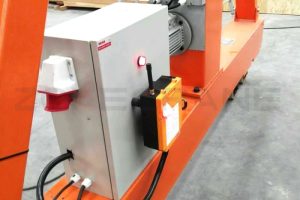
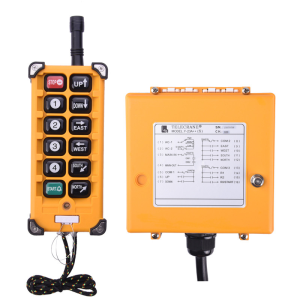
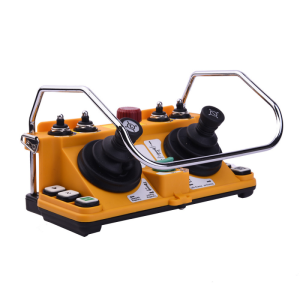
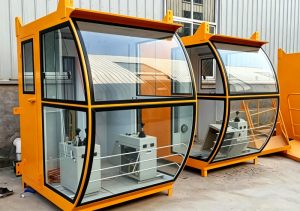
- Control Method: Pendant control, wireless remote control or operator cabin
- Crane Travelling Speed: 20 or 30 m/min; VFD control optional
- Custom Design: Available according to operating conditions
Note: Final capacity, span, lifting height and configuration are subject to engineering confirmation.
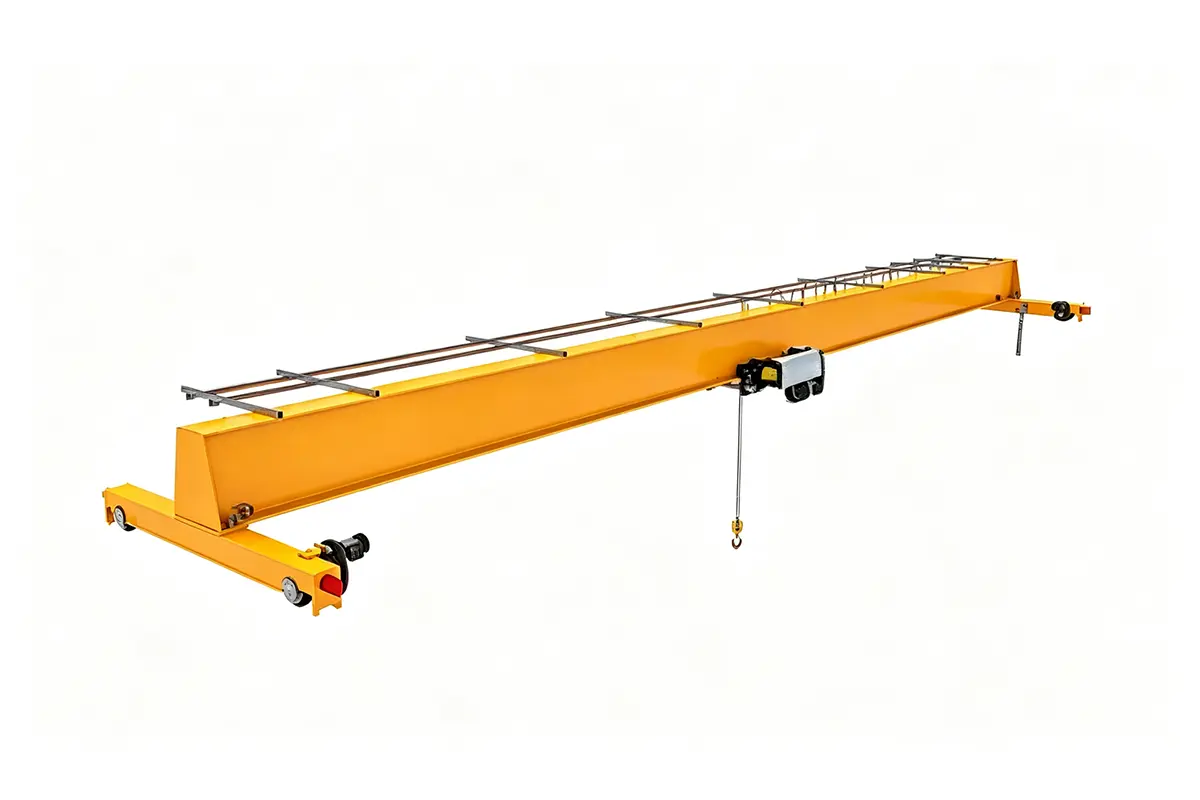
Single girder electric overhead travelling cranes are widely used in machining workshops, assembly lines, equipment maintenance facilities, warehouses and other industrial environments. A typical system consists of a main girder, end carriages, an electric wire rope hoist, crane travelling mechanisms and an electrical control system.
Low Headroom Single Girder Overhead Crane
Low headroom single girder overhead cranes are designed for facilities with limited vertical clearance. Compared with conventional single girder overhead travelling cranes, their compact hoist and bridge arrangement reduces the required headroom and increases the available lifting height. They are ideal for workshops where roof height is restricted but maximum hook height is required.
Customizable Specifications
- Rated Lifting Capacity: 1, 2, 3, 5, 10, 16 or 20 tonnes
- Span: 7.5-31.5 m
- Lifting Height: 6, 9, 12, 18, 24 or 30 m
- Working Duty: A3-A4
- Power Supply: 220-660 V, 3-phase, 50/60 Hz
- Control Method: Pendant control or wireless remote control
- Crane Travelling Speed: 20 or 30 m/min
- Customization: Available according to operating requirements
Note: Final capacity, span, lifting height and configuration are subject to engineering confirmation.
A low headroom single girder overhead crane mainly consists of a bridge girder, end carriages, a low headroom electric wire rope hoist, crane and hoist travelling mechanisms, and an electrical control system. Its optimized arrangement helps achieve greater effective lifting height without increasing the building height.
Underslung Single Girder Overhead Crane
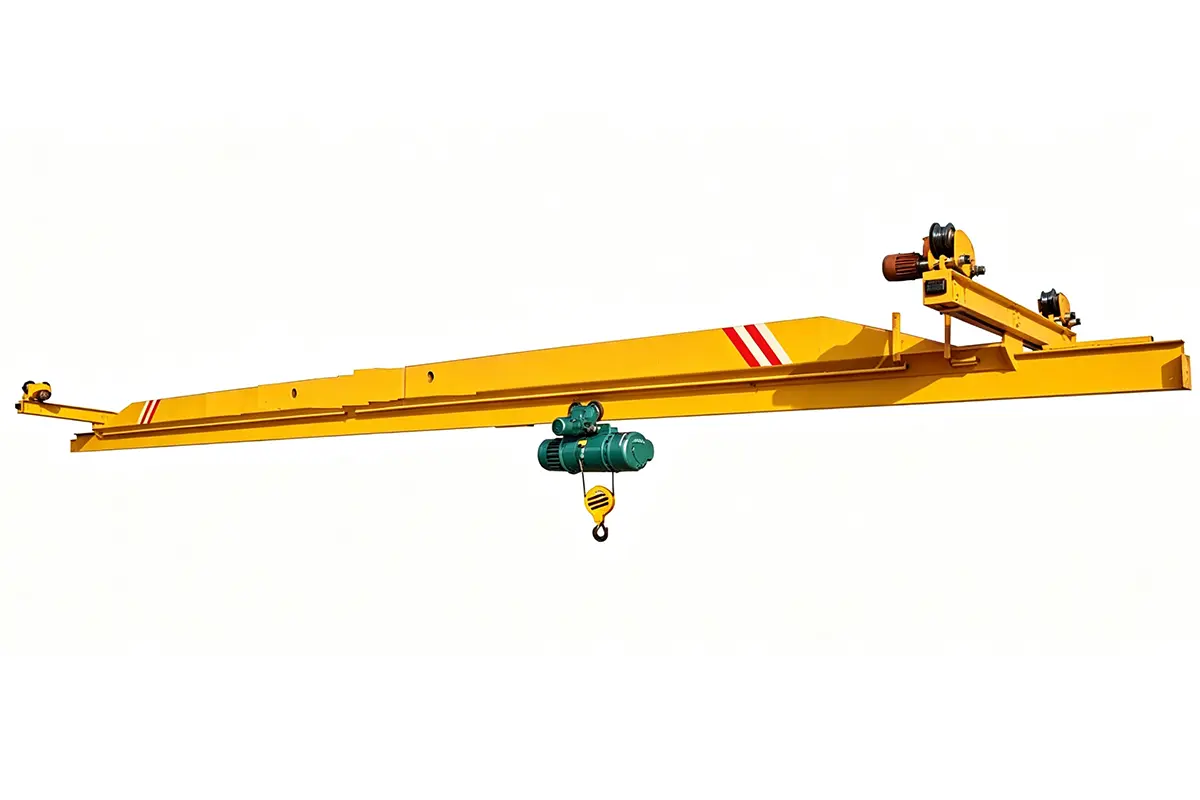
Underslung single girder overhead cranes, also known as underhung or under-running bridge cranes, travel on runway beams suspended from the building structure. They are commonly used in facilities without floor-mounted runway columns, provided the roof or supporting structure has been verified to withstand all crane loads.
Customizable Specifications
- Rated Lifting Capacity: 0.5, 1, 2, 3, 5 or 10 tonnes
- Span: 3-16 m
- Lifting Height: 6, 9, 12, 18, 24 or 30 m
- Working Duty: A3-A4
- Power Supply: 220-660 V, 3-phase, 50/60 Hz
- Control Method: Pendant control or wireless remote control
- Crane Travelling Speed: 20 or 30 m/min
- Customization: Available according to operating requirements
Note: The final crane configuration and building supporting structure must be verified through engineering calculations.
Under-running cranes provide efficient use of floor space, good hook approaches and practical coverage near walls or other building obstructions. Runway beams may be suspended from existing structural members only after the building structure has been checked for vertical, horizontal and dynamic crane loads.
FEM/DIN Single Girder Overhead Crane
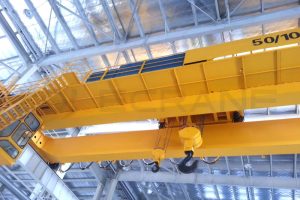
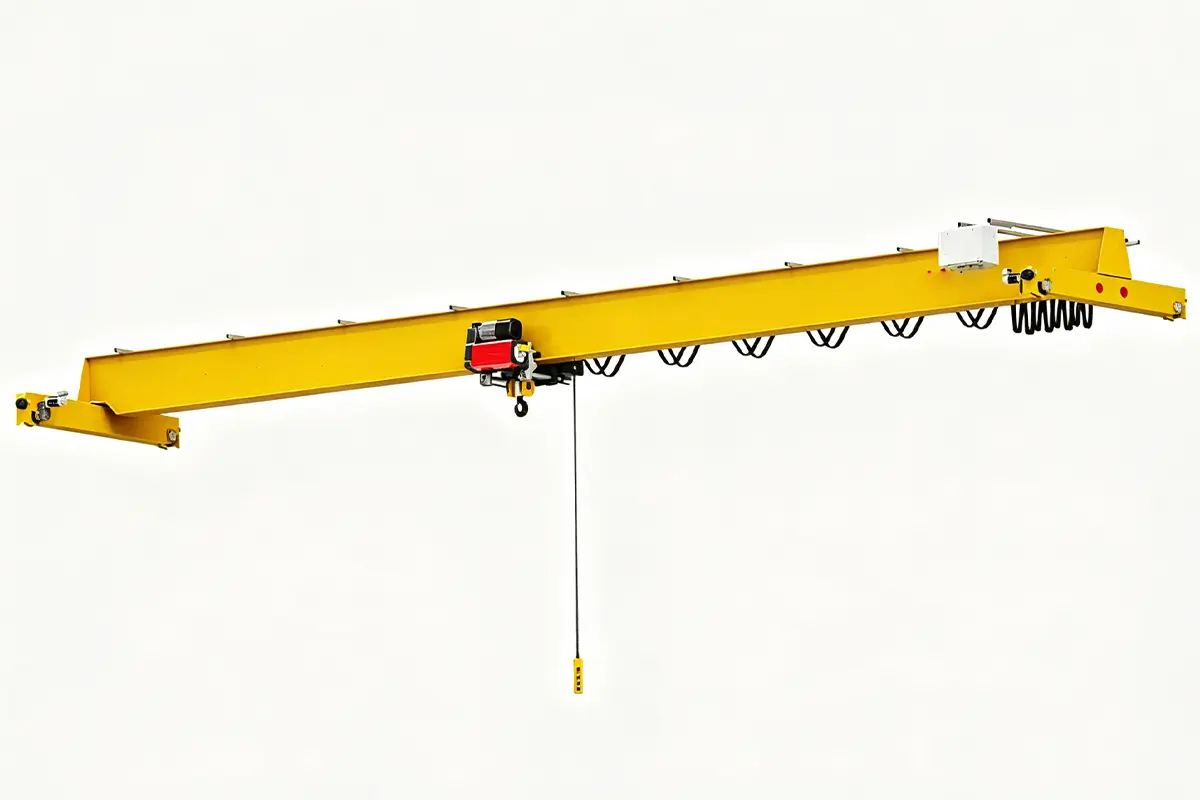
FEM/DIN single girder overhead cranes combine a compact European-style bridge structure with optimized load distribution, reduced wheel loads and smooth motion control. Their low self-weight and efficient hoist arrangement maximize usable lifting height and make them suitable for modern production facilities requiring reliable, precise and energy-efficient material handling.
Customizable Specifications
- Rated Lifting Capacity: 1-20 tonnes
- Span: 7.5-28.5 m
- Lifting Height: 6, 9, 12 or 18 m; customized heights available
- Working Duty: A5
- Power Supply: 220-660 V, 3-phase, 50/60 Hz
- Control Method: Pendant control or wireless remote control
- Crane Travelling Speed: 20-30 m/min
- Customization: Available according to site conditions and operating requirements
Note: Final specifications, duty classification and component selection are subject to engineering confirmation.
European-style single girder overhead cranes are widely used in machinery manufacturing, maintenance workshops, warehouses, power plants, paper mills, building-material factories and electronics facilities. Their compact structure and smooth motion make them particularly suitable for precise load positioning, equipment maintenance and the assembly of large components. Special configurations are required for hazardous, corrosive or outdoor environments.
Offset Trolley Single Girder Overhead Crane
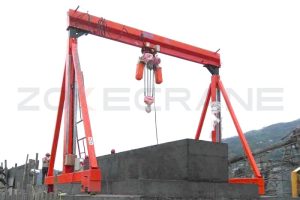
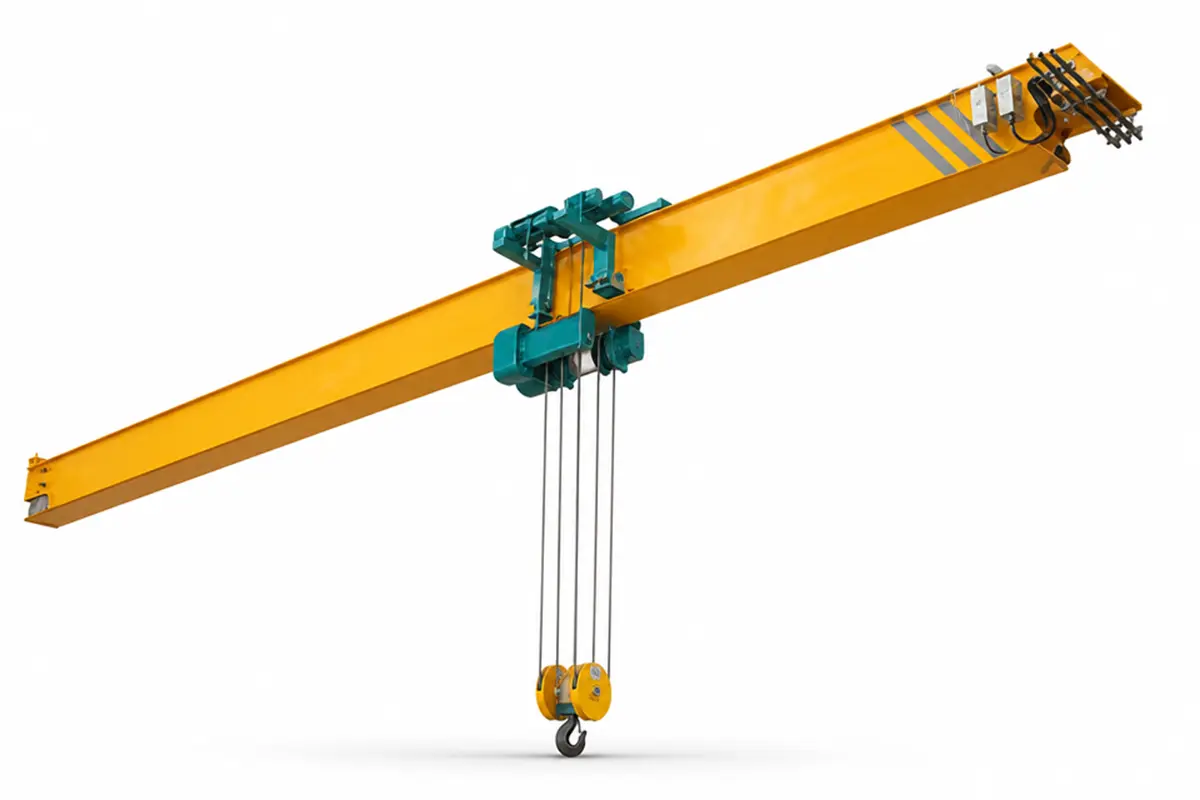
Offset trolley single girder overhead cranes use an angular or side-mounted trolley arrangement to improve vertical space utilization. This configuration is particularly useful when the crane runway is positioned relatively low while sufficient clearance remains above the rail level, allowing the hook to travel closer to the roof and increasing the effective lifting height.
Customizable Specifications
- Rated Lifting Capacity: 1, 2, 3, 5, 10, 16 or 20 tonnes
- Span: 7.5-28.5 m
- Lifting Height: 6, 9, 12, 18, 24 or 30 m
- Working Duty: A3-A4
- Power Supply: 220-660 V, 3-phase, 50/60 Hz
- Control Method: Pendant control or wireless remote control
- Crane Travelling Speed: 20-30 m/min
- Customization: Available according to site conditions and operating requirements
Note: Final specifications and the offset trolley arrangement are subject to engineering confirmation.
An offset trolley single girder overhead crane mainly consists of a main girder, end carriages, an angular trolley, trolley and crane travelling mechanisms, and an electrical control system. The offset arrangement can improve hook approach and lifting height while retaining the cost and weight advantages of a single girder crane.
Manual Single Girder Overhead Crane
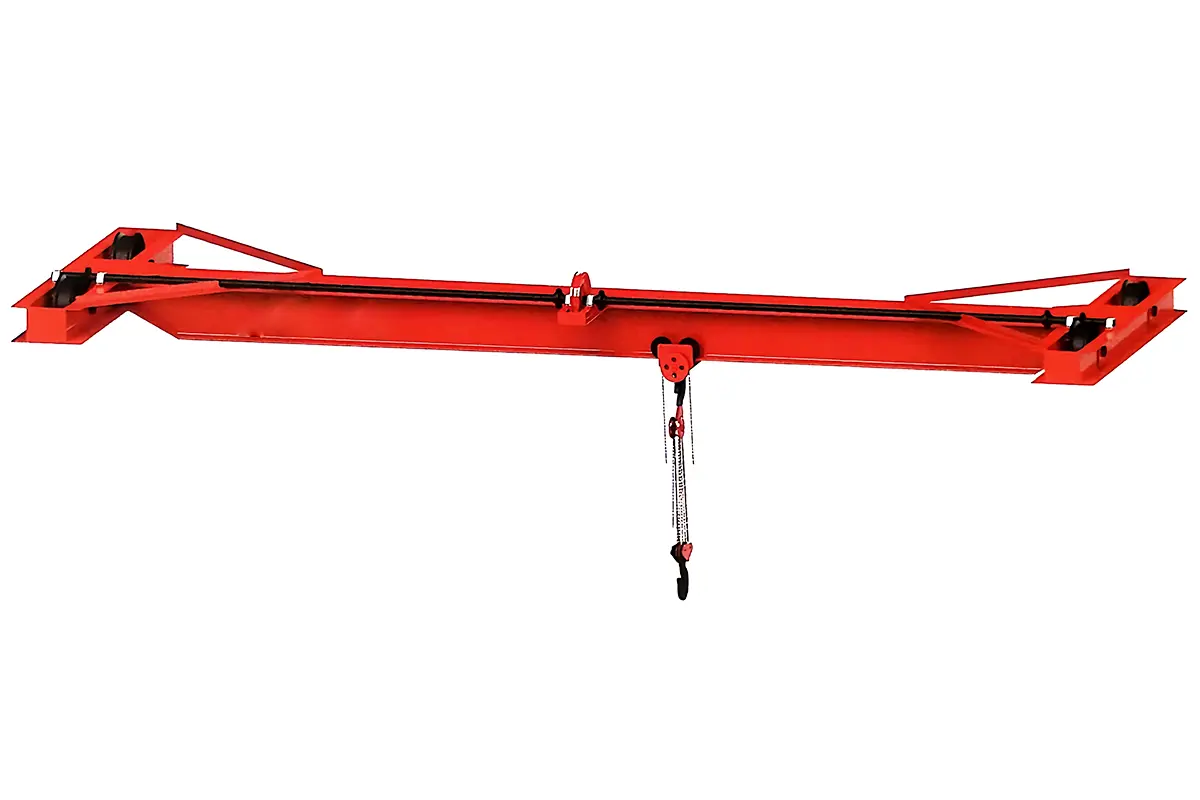
Manual single girder overhead cranes are human-powered lifting systems designed for facilities where electrical power is unavailable, unreliable or unnecessary. Lifting and travelling motions are operated by hand chain, geared drive or manual pushing. Their simple structure, low initial investment and limited maintenance requirements make them suitable for occasional and light-duty material handling.
Customizable Specifications
- Rated Lifting Capacity: 1, 2, 3, 5 or 10 tonnes
- Span: 5-14 m
- Lifting Height: 3-10 m
- Working Duty: A1-A3
- Lifting Mechanism: Manual chain block
- Trolley Travelling Method: Push trolley or hand-geared trolley
- Crane Travelling Method: Manual geared drive
- Power Supply: Not required
- Customization: Available according to workshop dimensions and operating requirements
Note: Final capacity, span, lifting height, operating force and structural configuration are subject to engineering confirmation.
A manual single girder overhead crane typically consists of a bridge girder, end carriages, a manual chain hoist, a travelling trolley and manually operated crane travelling mechanisms. It is commonly used in maintenance workshops, small warehouses and equipment service areas where lifting operations are infrequent or electrical power cannot be supplied.
Single Girder Overhead Crane FAQ
Answers to common questions about crane selection, customization, engineering, installation and maintenance.
Subscribe to our newsletter
The latest ZOKECRANE price list, news, articles, and resources.