




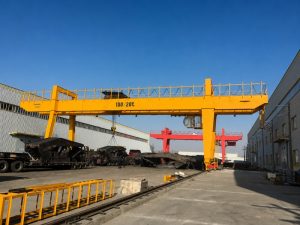
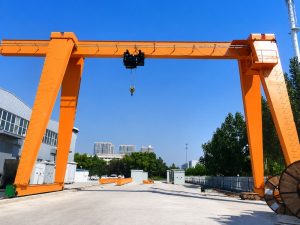
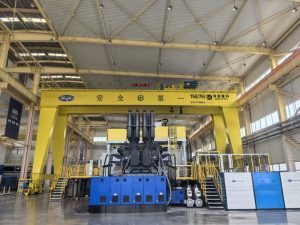
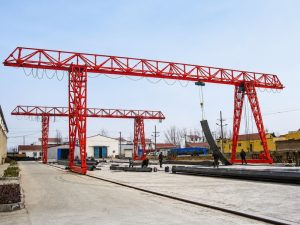
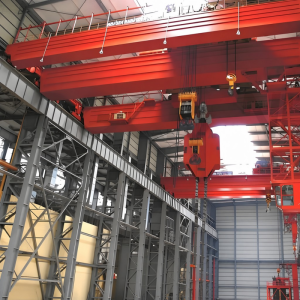
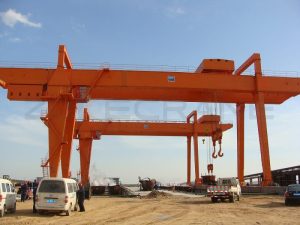
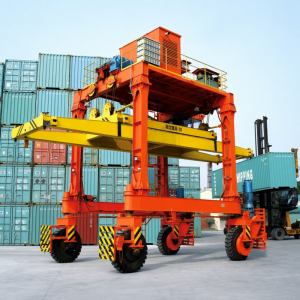
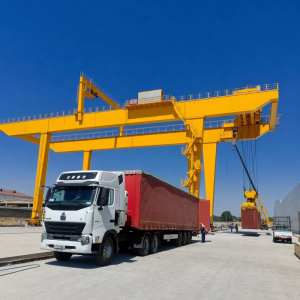
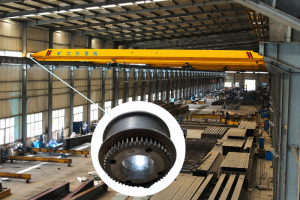

An overhead crane works hard every shift. It lifts, lowers, brakes, and travels thousands of times a month, and every one of those cycles wears something: a wire rope strand, a brake lining, a contactor tip, a wheel flange. Preventive inspection is how you find that wear before it becomes a dropped load, a runway failure, or an unplanned shutdown. A well-run inspection program extends the service life of the crane, keeps maintenance costs predictable, protects the people working beneath it, and gives you the documentation you need when OSHA or an insurer asks for proof.
This guide explains how often an overhead crane must be inspected under OSHA 29 CFR 1910.179 and the ASME B30.2 standard. It covers initial, daily, monthly, periodic, and idle-crane inspections, detailed component checklists, and the records you must keep.
How often does an overhead crane need to be inspected?
An overhead crane must be inspected before first use, then on a recurring schedule. Under OSHA 1910.179, new and altered cranes get an initial inspection; frequent inspections run at daily to monthly intervals; periodic inspections run at 1 to 12 month intervals depending on how hard the crane works; and running wire ropes must be inspected at least monthly with a signed record. Cranes that have been idle must be inspected before returning to service.
| Inspection | Typical interval | Done by |
|---|---|---|
| Pre-shift check | Every shift (daily) | Operator |
| Frequent inspection | Daily to monthly | Operator or designated person |
| Wire rope inspection | At least monthly, signed record | Designated person |
| Periodic inspection | 1 to 12 months (often annual) | Designated person |
Quick summary:
- Daily: function and visual check before the shift
- Monthly: frequent inspection of hooks, ropes, brakes, and controls, plus the signed rope certification
- Annual (or more often): complete periodic inspection, with the interval set by how severe the duty is
Initial Inspection (Prior to Initial Use)
Before a crane goes into service, it must be inspected and tested. OSHA requires this for all new and altered cranes. In practice, an initial inspection should be repeated after:
- Installation of a new overhead crane
- Upgrades or alterations, such as capacity changes, new hoists or trolleys, a new drive system, or a change in control type
- Major repairs to the girders, end trucks, brakes, or hoisting mechanism
- Relocation of the crane or reinstallation on a different runway
The initial inspection checks that the crane matches the design documents, the runway is aligned, clearances are adequate, safety devices work, and the rated load is marked correctly. It is followed by an operational test (all motions, limit switches, brakes, and emergency stops) and, for new, altered, or extensively repaired cranes, a rated load test. The test load should not exceed 125 percent of the rated load unless the manufacturer recommends otherwise, and the test report should be kept on file.
Daily / Pre-Shift Inspections (Frequent Inspection Level 1)
Many plants separate the frequent inspection into two levels: a daily operator check, and a more thorough monthly check. The daily level is performed by the operator before each shift, and it combines a visual walk-around with a functional test. Typical points include:
- Visual: look for oil leaks, loose or missing fasteners, damaged pendant cables, abnormal wear on the hook, and any visible rope damage
- Hook and latch: confirm the latch is present and springs back, and look for obvious deformation
- Wire rope: check that the rope is seated properly in the drum and sheave grooves, with no kinks or broken strands
- Controls: test every pendant or radio button, confirm each returns to off when released, and test the emergency stop
- Hoist upper limit switch: test it with no load, approaching slowly, following the manufacturer’s procedure
- Brakes: raise a light load a few inches and confirm the brake holds without drift
- Warning devices: check horns, lights, and alarms
- Work area: confirm the floor beneath the crane is clear and runway rails are free from debris
If any defect could affect safe operation, tag the crane out and report it. Do not use the crane until a designated person has inspected it and approved repairs.
Monthly / Frequent Inspections (Frequent Inspection Level 2)
The monthly level focuses on the parts that wear fastest. OSHA’s frequent inspection items include operating mechanisms for maladjustment, deformed or cracked hooks, hoist chains and ropes, and the condition of limit switches and controls. A thorough monthly inspection should cover:
- Wire ropes: a detailed inspection of every running rope, with a signed certification record
- Pendant stations and radio controls: cable strain relief, button function, labels, and enclosure condition
- Brakes: lining wear, adjustment, drift, and noise
- Hooks and blocks: cracks, throat opening, twist, swivel rotation, and latch condition
- Limit switches: hoist upper and lower limits, plus bridge and trolley travel limits
- Lubrication: gearboxes, bearings, wire rope, and wheel bearings per the manufacturer’s schedule
ASME B30.2 offers more guidance on frequency. Normal service uses a monthly frequent inspection, heavy service uses weekly to monthly, and severe service uses daily to weekly.
Periodic Inspections (1 to 12-Month Intervals)
A periodic inspection is a complete examination of the whole crane, including parts that cannot be seen during a quick check. OSHA sets the interval at 1 to 12 months, and the correct interval depends on the severity of use. ASME B30.2 divides service into three classes:
- Normal service: operation at less than 85 percent of rated load, with no more than about 10 lifts per hour except for isolated periods
- Heavy service: operation that exceeds normal service but is not severe
- Severe service: normal or heavy service combined with abnormal operating conditions such as heat, dust, corrosive atmospheres, or frequent shock loading
| Service class | Typical frequent inspection | Typical periodic inspection |
|---|---|---|
| Normal | Monthly | Annual |
| Heavy | Weekly to monthly | Semiannual |
| Severe | Daily to weekly | Quarterly |
A periodic inspection includes everything in the frequent inspection, plus: deformed, cracked, or corroded structural members; loose bolts or rivets; cracked or worn sheaves and drums; worn, cracked, or distorted pins, bearings, shafts, gears, and rollers; excessive wear on brake parts; wear on chain drive sprockets; load, wind, and other indicators; and the condition of electrical apparatus such as controller contactors, limit switches, and pushbutton stations. Dated inspection reports should be made on critical items such as brakes, hooks, and ropes and kept readily available.
Idle Crane Inspections (Cranes Not in Regular Use)
Cranes that sit unused still deteriorate, because of moisture, corrosion, stiffened lubrication, and mechanical settling. OSHA sets separate requirements for them:
- Idle for 1 to 6 months: before the crane returns to service, give it a frequent-level inspection, and thoroughly inspect all ropes, since any rope idle for a month or more must be inspected before use
- Idle for more than 6 months: before the crane returns to service, give it a complete inspection to the periodic standard, including all ropes
- Standby cranes: inspect at least semiannually to the frequent inspection requirements
OSHA does not mandate a rated load test just because a crane has been idle. However, a load test is required after alterations or extensive repairs, and a qualified person may decide to add one after a long shutdown, especially if the idle crane was stored in a harsh environment.
Comprehensive Overhead Crane Inspection Frequency Breakdown
| Inspection type | Frequency | Main items checked | Record requirement |
|---|---|---|---|
| Initial inspection | Before first use of a new or altered crane | Design match, runway alignment, clearances, safety devices, rated load marking, operational and load tests | Test report and inspection report kept on file |
| Pre-shift operator check | Every shift | Controls, e-stop, upper limit switch, brake hold, hook and latch, warning devices, visible damage | No written record required by OSHA; written log recommended |
| Frequent inspection | Daily to monthly (ASME: by service class) | Operating mechanisms, hooks, ropes, brakes, limit switches, controls | Not required by OSHA; keep notes of defects and repairs |
| Wire rope inspection | At least monthly for running ropes | Broken wires, wear, corrosion, distortion, end connections | Signed certification with date and rope identifier, kept on file |
| Periodic inspection | 1 to 12 months, set by service class | Structure, bolts, sheaves, drums, gears, bearings, brakes, electrical apparatus | Dated reports on critical items such as brakes, hooks, and ropes |
| Idle 1 to 6 months | Before return to service | Frequent-level inspection plus a thorough rope inspection | Record of inspection and approval |
| Idle over 6 months | Before return to service | Complete inspection to periodic standard, including ropes | Full inspection report on file |
| Standby crane | At least every 6 months | Frequent-level inspection | Record of inspection |
| After alteration or major repair | Before returning to service | Affected components plus operational test and rated load test | Test report on file |
Detailed OSHA Overhead Crane Inspection Checklist by Components
Wire Rope, Sheaves, and Drum Inspection Standards
Wire rope is the most closely examined part of an overhead crane because rope failure leads directly to a falling load. Inspect the full working length, with extra attention to sections that pass over sheaves, around equalizers, and at end connections. Replace a rope when you find:
- Twelve randomly distributed broken wires in one rope lay, or four broken wires in one strand in one rope lay
- Wear of one-third of the original diameter of the outside individual wires
- Kinking, crushing, bird-caging, or any other damage that distorts the rope structure
- Evidence of heat damage or electric arc strikes
- Reduction from nominal diameter beyond the allowed limits, which are small fractions of an inch that grow with rope size (check the manufacturer’s table or ASME B30.2)
- Corroded, broken, or cracked end connections
For sheaves and drums, check:
- Groove wear and groove diameter against the rope size, since worn or too-tight grooves damage rope
- Cracks in the sheave flange or drum shell, and wear on sheave bearings
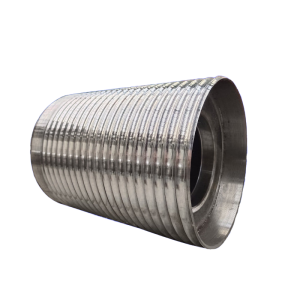
- At least two full wraps of rope on the drum at the lowest hook position
- Drum flange condition and rope anchorage security
- Sheave guards and rope guards in place and undamaged
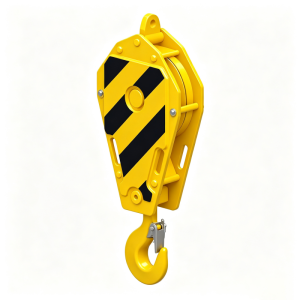
Crane Hook Inspection (Cracks, Twist, and Throat Opening)
Hooks are small, but they carry the whole load. Inspect them closely at every frequent inspection. Industry criteria in ASME B30.10, and in OSHA’s sling hardware rules, call for removing a hook from service when:
- The throat opening has increased by more than 15 percent compared to the normal opening, or beyond the manufacturer’s limit
- The hook is twisted more than 10 degrees from the plane of the unbent hook
- There are visible cracks, nicks, or gouges, especially at the saddle and shank
- Wear in the saddle exceeds the allowable limit, commonly 10 percent of the original section dimension
- The latch is missing, bent, or no longer springs back
- The hook nut, pin, or swivel is loose, corroded, or does not turn freely
Never repair a hook by welding, heating, or straightening it. A damaged hook should be replaced with one that matches the manufacturer’s specification, and any hook that has been overloaded should be evaluated by a qualified person.
Brake Systems and Electrical Panel Maintenance
Brakes. OSHA lists excessive wear of brake system parts as a periodic inspection item. During inspections:
- Measure brake lining thickness and replace linings before they reach the manufacturer’s wear limit
- Check drum or disc surfaces for scoring, glazing, or oil contamination
- Verify springs, linkages, and pins are secure, and the brake releases and sets fully
- Confirm that the hoist brake holds a load without drift, and that bridge and trolley brakes stop the crane smoothly
Electrical panel and controls. Check for pitting or deterioration of controller contactors, limit switches, and pushbutton stations, as well as:
- Burnt, pitted, or welded contactor tips, and signs of overheating
- Loose terminals, discolored wiring, and damaged insulation
- Panel enclosures that are clean, dry, and properly sealed
- Cooling fans and ventilation on inverter or VFD cabinets
- Grounding and bonding continuity
Limit switch logic. Confirm that the hoist upper limit stops upward motion but still permits lowering, that the lower limit stops the hook before the rope drops below the minimum number of drum wraps, and that bridge and trolley travel limits stop motion before the end stops. Test these with no load and the hook moving slowly.
Runway Tracks, Structural Welds, and Wheels
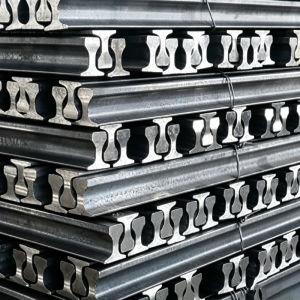
Runway and rails. Check rail alignment, span, and level, and look for rail wear, cracked joints, and loose clips or bolts. Rail gnawing, where wheel flanges grind against the side of the rail, is a warning sign of misalignment, skewing, or worn wheels, and it should be corrected promptly.
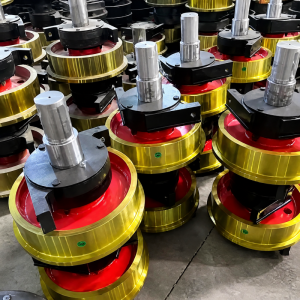
Wheels. Inspect for flange wear, tread wear, flat spots, cracks, and bearing noise. Uneven wear between the left and right wheels often points to skewing.
Structure and welds. Look at the main girders, end trucks, and trolley frame for deformation, cracked welds, corrosion, and loose bolts. Visual inspection is the baseline. Where cracks are suspected, or where the crane works in heavy or severe service, a qualified person may order non-destructive testing such as magnetic particle, dye penetrant, or ultrasonic testing on critical welds.
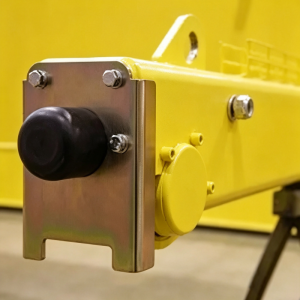
End stops and bumpers. Check that stops and bumpers are secure, undamaged, and positioned to protect the crane, and that clearances to the building structure remain at least 3 inches overhead and 2 inches laterally.
Mandatory Documentation and Record-Keeping Rules for Crane Audits
Good records prove that your inspection program actually happens. In an OSHA visit, the first documents requested are usually the rope inspection certifications, the periodic inspection reports, and any load test reports.
Monthly Signed Certification Records
For running wire ropes, OSHA requires a thorough inspection at least once a month, and a certification record must be prepared and kept on file where it is readily available. The record should include:
- The date of the inspection
- The signature of the person who performed it
- An identifier for the rope or ropes inspected
OSHA does not require a written record for every frequent inspection, but many companies keep one for the full monthly inspection as well, since it shows that defects were found and fixed.
Annual Inspection Logs
Dated inspection reports must be made for critical items such as brakes, crane hooks, and ropes during periodic inspections, and the reports must be readily available. OSHA does not set a fixed retention period for most crane records, so use these practical guidelines:
- Keep rope certifications and periodic reports at least until the next inspection cycle, and preferably two to five years
- Keep load test reports and alteration records for the life of the crane
- Keep records by crane ID number, so an auditor can find the right file quickly
| Record | Minimum content | Suggested retention |
|---|---|---|
| Monthly rope certification | Date, signature, rope identifier | 2 to 5 years |
| Periodic inspection report | Date, inspector, findings on brakes, hooks, ropes, structure, electrical | 2 to 5 years |
| Rated load test report | Date, test load, results, who performed it | Life of the crane |
| Repair and alteration records | Work done, parts replaced, approvals | Life of the crane |
| Operator pre-shift log (recommended) | Date, operator, defects found | 1 year or per company policy |
How to handle an OSHA records request.
- Keep one binder or digital folder per crane with all current records
- Name a single person who knows where records are and can speak to them
- Show defects found and the corrective action taken, because OSHA values a system that finds and fixes problems
- Never back-date or alter a record, since falsifying documents can turn a minor finding into a major one
- Close the loop on every open defect before the visit
Frequently Asked Questions (FAQ)
How often does an overhead crane need to be inspected by law?
OSHA 1910.179 requires an initial inspection before first use of new or altered cranes, frequent inspections at daily to monthly intervals, and periodic inspections at 1 to 12 month intervals. Running wire ropes must be inspected at least monthly with a signed record, and idle cranes must be inspected before returning to service. ASME B30.2 offers more detail on how to set the intervals by service class.
Is a written daily inspection log mandatory for overhead crane operators?
OSHA 1910.179 requires operators to check the crane and test certain devices, but it does not require a written daily log. However, many employers, insurers, and state programs expect one, and a written log is the best way to prove the check happened. The monthly rope certification and the dated periodic reports on critical items must be written and kept.
What is the difference between a Frequent and a Periodic inspection?
A frequent inspection is a regular check of the items that wear fastest, such as hooks, ropes, brakes, limit switches, and controls, done at daily to monthly intervals, often by the operator or a designated person. A periodic inspection is a complete, in-depth examination of the entire crane, including structural members, bolts, sheaves, drums, gears, bearings, and electrical apparatus, done at 1 to 12 month intervals and recorded in a dated report.
Who is qualified to conduct a periodic overhead crane inspection?
OSHA requires the inspection to be done by a designated person, someone the employer has selected as competent to perform it. That person should know the crane, the standards, and the defect criteria. Where repairs or modifications need engineering judgment, a qualified person such as a professional engineer should be involved. Many plants hire a third-party crane inspection company for periodic inspections.
Partner with ZokeCrane for Low-Maintenance, High-Reliability Overhead Cranes
Inspection keeps a crane safe, but good design reduces how much maintenance it needs in the first place. ZokeCrane (Henan Zhongke Crane Co., Ltd.) is a trusted manufacturer of bridge and gantry cranes, located in the Naoli Industrial Park in Changyuan County, Henan Province, China’s largest crane manufacturing base. We have continuously optimized our bridge cranes, trolley systems, and wire rope electric hoists, and many of their key performance parameters have reached industry-leading levels.
To lower the maintenance load over the life of the crane, we can configure our overhead crane systems with high-quality components such as European-style gear reducers, high-performance wire rope, and VFD (variable frequency drive) systems. These choices give smoother starts and stops, less shock on gears, brakes, and ropes, and fewer wear-related repairs. Our factory holds ISO 9001:2000, CE, and SGS certifications, and we have supplied cranes to more than 11 countries, including Russia, Uzbekistan, the Philippines, Bangladesh, Australia, Qatar, Tanzania, Singapore, Saudi Arabia, Brazil, and Nigeria, backed by after-sales support and spare parts supply.
Need help with crane selection or an inspection plan? Contact the ZokeCrane technical team with your capacity, span, lifting height, duty class, and working environment, and we will provide selection guidance and maintenance advice for your plant. Visit www.zokecrane-cn.com to start the conversation.