





1. Introduction: Why Selecting the Right Overhead Crane Matters
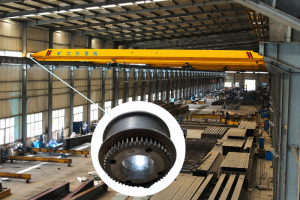
An overhead crane is the backbone of modern industrial manufacturing, heavy assembly, warehousing, and material processing facilities. Selecting the right material handling system is not merely a purchasing decision; it is a critical engineering commitment that directly influences plant safety, production cycle times, operational throughput, and long-term operating costs. Installing an improperly sized or under-engineered crane system can result in structural damage to your facility, frequent operational downtime, worker safety hazards, and unnecessary capital expenditure.
Whether you are constructing a new manufacturing plant or upgrading an existing production bay, understanding the nuances of bridge crane design, load requirements, building clearances, and duty cycles is essential. This comprehensive guide breaks down every step of the decision-making process to ensure you procure an optimal material handling solution tailored specifically to your facility’s requirements.
2. How to Choose the Right Overhead Crane for My Factory?
To accurately answer the question, “How to choose the right overhead crane for my factory?“, plant engineers and procurement managers must systematically evaluate five fundamental engineering pillars. Bypassing any of these criteria can lead to system inefficiencies or costly field modifications during installation.
Step 1: Define Your Material Handling Requirements
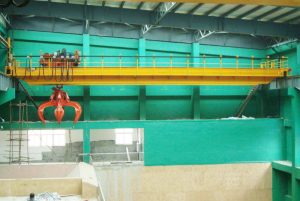
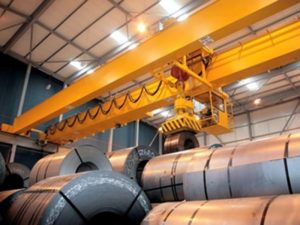
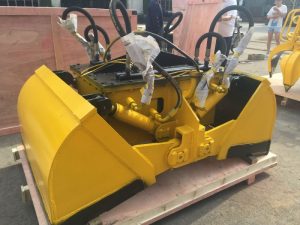
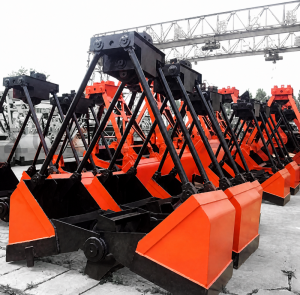
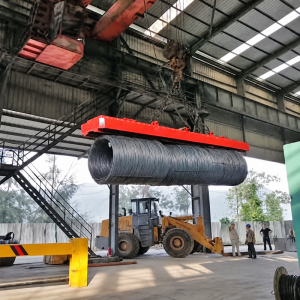
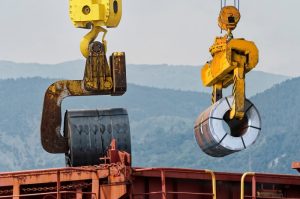
Begin by analyzing the exact materials your factory moves on a daily basis. Consider the physical characteristics of the load, including maximum weight, dimensions, fragile components, temperature conditions, and shape (e.g., steel coils, precast concrete blocks, delicate machinery, or bulk raw materials). The nature of the load dictates not only crane capacity but also specialized below-the-hook lifting attachments such as electromagnets, vacuum lifters, grab buckets, or custom spreader beams.
Step 2: Calculate the Required Load Capacity
Never size your equipment based strictly on average daily loads. Determine the heaviest single item your equipment will ever need to lift, and add a safety margin (typically 10% to 20%) to handle future process modifications or emergency overloads. Buying an under-capacity bridge crane leads to structural fatigue and safety violations, while significantly over-sizing the unit leads to excessive building load demands and inflated electricity bills.
Step 3: Assess Your Factory Layout and Structural Limitations
The architecture of your building dictates the form factor of the material handling machinery you can install. Measure the available bay length, span (distance between runway rail centers), hook height requirements, building column spacing, and vertical clearance above the crane bridge to the lowest ceiling obstruction or roof truss.
Step 4: Establish the Duty Cycle and Operating Environment
How many hours per day will the system operate? How many lifts per hour will it perform? Will it work in a climate-controlled assembly hall, an explosive chemical environment, a hot metal foundry, or outdoors exposed to coastal elements? Duty cycles determine the mechanical and electrical rating of motor drives, gearboxes, hoists, and brakes.
Step 5: Determine Control Systems and Precision Needs
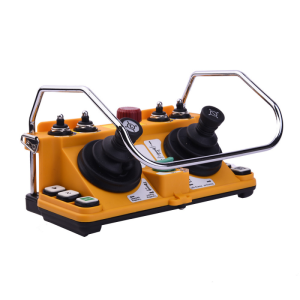
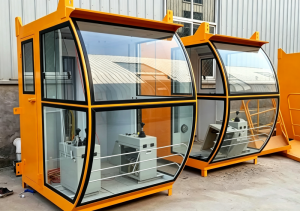
Select an operator control methodology—pendant control, wireless radio remote control, or an elevated operator cab—based on workplace safety protocols, visibility requirements, and material hazards. Advanced frequency drives (VFDs) provide smooth acceleration, minimize load sway, and allow micro-positioning for high-precision assembly lines.
3. Understanding Primary Overhead Crane Types for Industrial Applications
Selecting the appropriate crane layout depends heavily on structural requirements, budget constraints, and operational goals. Below is an in-depth breakdown of the primary industrial configurations.
Single Girder Overhead Crane Configurations
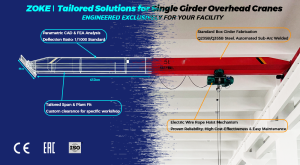
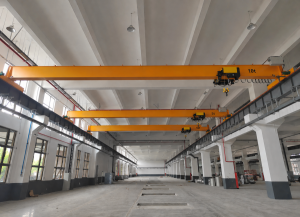
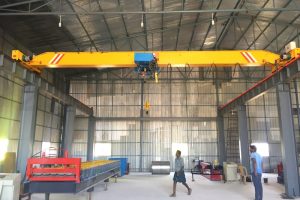
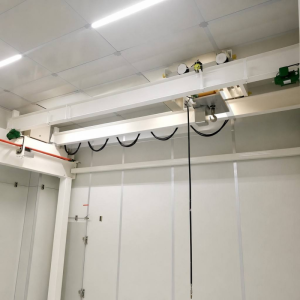
A single girder bridge crane utilizes a single bridge beam supported by two end trucks. The hoist and trolley mechanism typically runs suspended on the bottom flange of the main bridge girder.
- Ideal Capacity: Typically rated for loads up to 20 Tons.
- Span Range: Effective spans up to 31.5 meters.
- Key Advantages: Cost-effective manufacturing, lightweight structure requiring less building support, fast installation, and lower initial investment.
- Best Used For: Light-to-medium industrial assembly, maintenance shops, general warehousing, and light fabrication lines.
Double Girder Overhead Crane Configurations
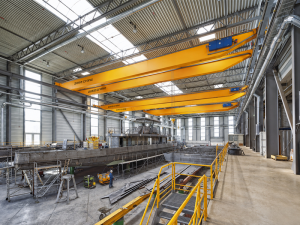
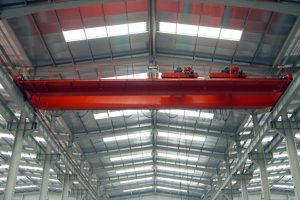
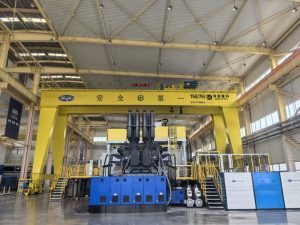
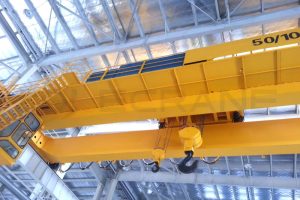
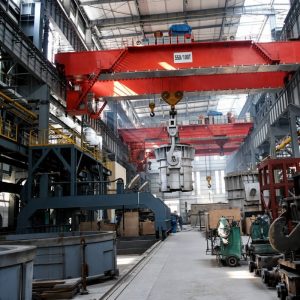
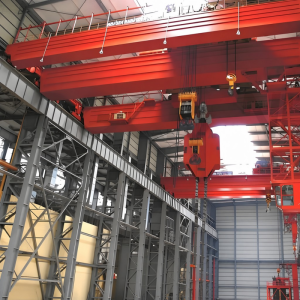
A double girder bridge crane features two parallel main bridge girders, with the trolley mechanism riding on top of rails mounted to the girders. This layout allows maximum hook height, as the hook can travel up between the girders.
- Ideal Capacity: Heavy-duty applications from 5 Tons to over 500 Tons.
- Span Range: Exceeds 35 meters effortlessly.
- Key Advantages: Superior maximum lifting height, extreme heavy-load capacity, higher speed capability, and ability to accommodate maintenance walkways and cabs.
- Best Used For: Steel mills, power generation facilities, paper mills, heavy machinery manufacturing, and foundry operations.
Top Running vs. Under Running Overhead Crane Systems
Choosing between top-running and under-running (underhung) designs is driven by existing facility infrastructure:
- Top Running Systems: The bridge end trucks travel on top of rails supported by independent runway columns or building brackets. Offers unlimited lifting capacities and high durable headroom performance.
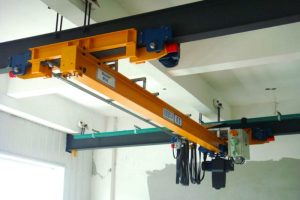
- Under Running Systems: The end trucks travel along the bottom flange of elevated runway beams suspended directly from the roof trusses. Ideal for lighter applications (usually up to 10 Tons) where factory floor space must remain completely clear of vertical support columns.
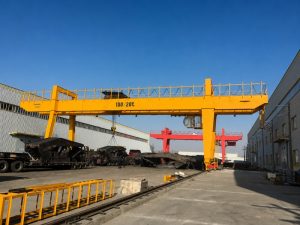
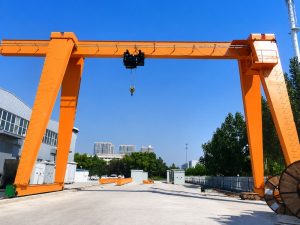
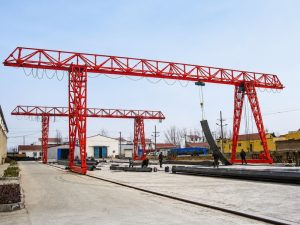
Gantry Cranes and Semi-Gantry Alternatives
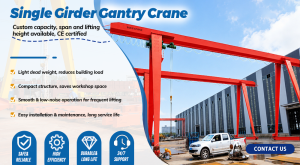
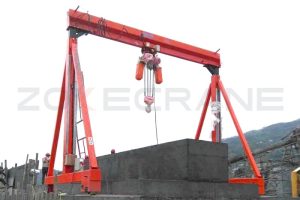
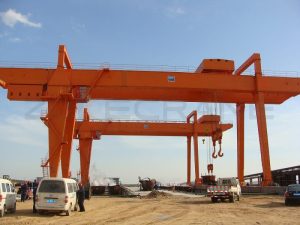
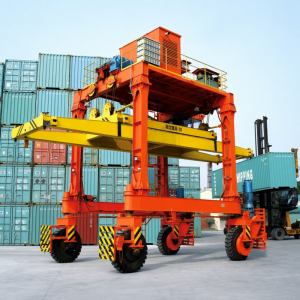
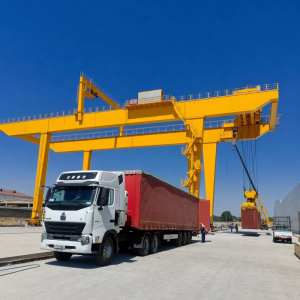
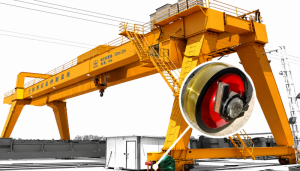
When factory buildings lack internal runway brackets or elevated runway structures are cost-prohibitive, gantry systems offer an excellent alternative. Full gantry units travel on ground-level rails embedded in concrete or mounted directly on floor surfaces, whereas semi-gantry configurations utilize one elevated runway wall bracket and one floor-mounted leg rail.
4. Key Technical Specifications: Load Capacity, Span, and Lifting Height
Accurate technical definitions prevent major engineering oversights during procurement. When consulting with custom equipment manufacturers like ZokeCrane, specify the following parameters precisely:
1. Rated Lifting Capacity (SWL – Safe Working Load)
The maximum load weight the entire hoisting structure is designed to handle safely under normal working conditions. Expressed in metric tons (t) or US tons (lbs).
2. Crane Span (S)
The horizontal center-to-center distance between the two parallel runway rails. Accurate measurement is critical to ensure proper wheel flange tracking and prevent excessive wheel bearing wear.
3. Maximum Lifting Height (H)
The vertical distance measured from the ground floor level to the center of the lifting hook when elevated to its highest position. Ensure this height provides sufficient vertical space to clear machinery, racking, or assembled components during transport across the shop floor.
4. Runway Travel Length (L)
The total longitudinal distance along which the entire bridge structure moves from end to end within the building bay.
5. Crane Duty Classes: Matching Overhead Crane Usage to FEM/CMAA Standards
Selecting an improperly rated duty class is one of the most common mistakes buyers make. Under-rating results in rapid wear of gears, bearings, motor burnouts, and brake failures. Over-rating results in unnecessary capital cost expenditure.
International standard duty ratings—primarily defined by **FEM (Fédération Européenne de la Manutention)**, **ISO**, and **CMAA (Crane Manufacturers Association of America)**—categorize equipment according to load spectrums and operational hours per day.
| CMAA Class | FEM / ISO Equivalent | Service Conditions | Typical Factory Applications |
|---|---|---|---|
| Class A (Standby / Infrequent) | 1Am / M3 | Infrequent use, long idle periods, precise slow handling. | Powerhouses, turbine halls, pump stations, transformer rooms. |
| Class B (Light Service) | 2M / M4 | Light loads, slow speeds, 2 to 5 lifts per hour. | Repair shops, light assembly plants, service buildings, small warehouses. |
| Class C (Moderate Service) | 3M / M5 | Handling average loads, 50% capacity handling continuous operations, 5 to 10 lifts/hr. | General machine shops, paper mill machine rooms, metal fabrication yards. |
| Class D (Heavy Service) | 4M / M6 | Heavy loads handled continuously at high speeds, 10 to 20 lifts/hr. | Heavy machine shops, foundries, steel warehouses, container yards, sawmills. |
| Class E / F (Severe / Continuous) | 5M / M7 / M8 | Continuous load handling near maximum capacity throughout 24/7 cycles. | Magnet and bucket cranes for scrap yards, steel production plants, waste-to-energy facilities. |
6. Building Structure Assessment: Runways, Clearances, and Floor Load Capacities
Installing an overhead crane system imposes significant dynamic forces on building infrastructure, including vertical dead and live loads, side thrust during trolley movement, and longitudinal braking forces. Ensure your factory structure can comfortably support these stresses.
Runway Beam Alignment and Capacity
The runway support structure must remain strictly parallel, level, and aligned within tight industrial tolerances. Excessive runway deviation causes accelerated wheel wear, rail chipping, motor overload, and potential crane derailment risks.
Headroom Clearances and Obstruction Limits
Check for vertical and horizontal clearances relative to fixed building obstructions. Safety guidelines typically require a minimum clearance of 50mm to 100mm between the highest point of the crane bridge and low-hanging building roof trusses, lighting fixtures, HVAC ducting, or suspended gas lines.
Floor-Mounted Support Structure Considerations
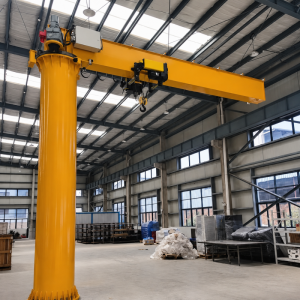
If your pre-existing steel building structure was not engineered with brackets to support elevated runway beams, a free-standing runway system can be anchor-bolted directly into reinforced concrete floor slab foundations. Professional soil load-bearing assessments are vital before installing free-standing structures.
7. Hoist Selection and Control Options for Your Overhead Crane System
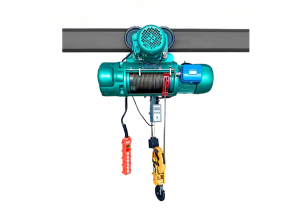
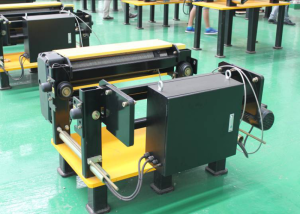
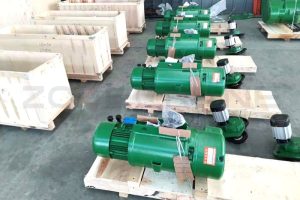
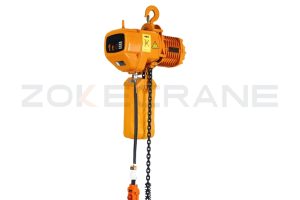
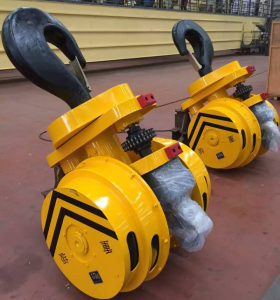
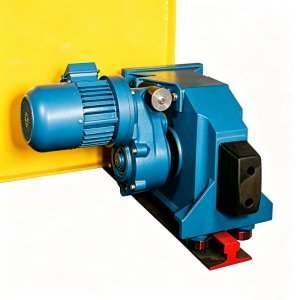
The hoisting unit is the core mechanical lifting component of any bridge crane. Choosing between electric wire rope hoists and electric chain hoists depends on load capacities, operating duty requirements, and precision demands.
Electric Wire Rope Hoist vs. Electric Chain Hoist
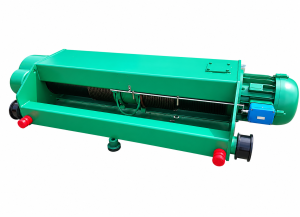
- Electric Wire Rope Hoist: Standard choice for medium to heavy capacities (2 Tons up to 100+ Tons). Offers fast lifting speeds, smooth operation, long wire rope lifespan under high-duty cycles, and superior durability in harsh industrial plants.
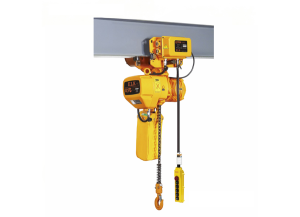
- Electric Chain Hoist: Best suited for lower capacity lifting requirements (up to 5 Tons) or localized workstation cranes. Compact, highly portable, easy to maintain, and cost-effective for light assembly tasks.
Modern Control Options and Smart Crane Features
Selecting appropriate drive electronics dramatically improves workplace productivity, safety, and operational precision:
- Variable Frequency Drives (VFD): Controls motor acceleration and deceleration curves smoothly, eliminating load sway, reducing structural fatigue, and allowing exact micro-positioning.
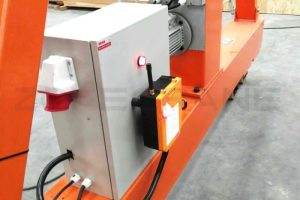
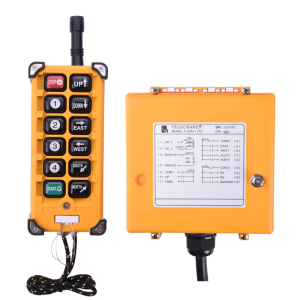
- Radio Remote Wireless Controls: Allows the crane operator to control movement from a safe distance with excellent visibility, eliminating risks associated with walk-along pendant lines in busy bays.
- Anti-Sway Automation: Uses smart sensor algorithms to eliminate load pendulum movements during high-speed cross-travel and long-travel maneuvers.
8. Comparing Overhead Crane Types: Technical & Financial Comparison Table
Use the comprehensive engineering matrix below to compare crane options side-by-side to determine which design matches your factory layout and capital investment strategy.
| Crane Type | Capacity Range | Typical Span | Hook Height Efficiency | Relative Investment Cost | Primary Advantage |
|---|---|---|---|---|---|
| Single Girder Top-Running | 1 Ton – 20 Tons | 7.5m – 31.5m | Moderate | Low – Moderate | Cost-effective, low deadweight, versatile. |
| Double Girder Top-Running | 5 Tons – 500+ Tons | 10.5m – 35m+ | Maximum | High | Extreme heavy capacity, high lift height, heavy duty cycle. |
| Under-Running (Underhung) | 0.5 Tons – 10 Tons | 3m – 18m | Low – Moderate | Low | Saves floor space, mounts directly to roof structure. |
| Full Gantry Crane | 3 Tons – 100+ Tons | 12m – 35m+ | Moderate – High | Moderate – High | No elevated runway brackets needed; great for outdoor/indoor yards. |
9. Safety Features, Certifications, and International Quality Standards
Operational safety is non-negotiable when dealing with high-tonnage overhead material handling equipment. Ensuring your lifting system complies with strict international engineering standards protects floor personnel and reduces liability risk.
Crucial safety mechanisms every modern crane must include:
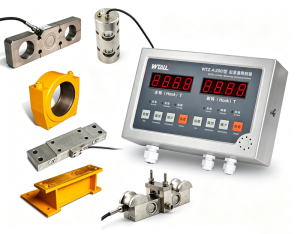
- Overload Protection Devices: Electronic load limiters that immediately stop hoisting movement if maximum rated capacity is exceeded.
- Dual Limit Switches: Prevents hook over-travel at upper and lower lifting boundaries, protecting structural drums and cables.
- Emergency Stop Systems: Instantly cuts off main electrical power to all drives via pendant or wireless remote control.
- Thermal Overload Protection: Guards lifting and drive motors against thermal overheating during high-frequency usage cycles.
- Rail Sweeps and Safety Baffling: Prevents debris on runway rails from derailing end truck wheels.
Always verify that your equipment supplier holds verified global quality certifications such as **ISO 9001:2000 Quality Management Certification**, **CE Conformity Marking** for European electrical and mechanical safety compliance, and **SGS Third-Party Product Inspection** credentials.
10. Frequently Asked Questions (FAQ) About Overhead Crane Selection
Q1: How do I know whether I need a single girder or double girder overhead crane?
Choose a single girder overhead crane if your capacity requirement is under 20 Tons, span is within 31.5 meters, and your facility has sufficient headroom. Opt for a double girder overhead crane if you handle loads over 20 Tons, require extreme lifting heights, operate under heavy-duty cycles (Class D/E/F), or need specialized maintenance walkways along the bridge.
Q2: What measurements do I need to provide to get an accurate crane quote?
To get an accurate quote, provide four key parameters: (1) Maximum Lifting Capacity (Tonnes), (2) Crane Span (distance center-to-center of runway rails), (3) Required Lifting Height (floor to upper hook position), and (4) Runway Travel Distance. Additional helpful details include your facility’s electrical voltage, duty class, and operating environment.
Q3: Can an overhead crane be installed in a building without existing runway supports?
Yes. If your factory building lacks structural support columns or runway brackets, you can install a free-standing support structure with dedicated steel columns. Alternatively, you can select a full gantry or semi-gantry crane system that operates on rails mounted at ground level.
Q4: How often does an industrial overhead crane require routine safety inspection?
According to OSHA, ASME, and ISO standards, cranes require daily operator pre-use inspections, monthly functional checks, and periodic annual formal inspections performed by certified technicians. High-duty cycle Class D, E, and F cranes require more frequent quarterly maintenance reviews.
Q5: What is the typical lifespan of a heavy-duty industrial bridge crane?
With proper preventative maintenance, adherence to duty ratings, and timely replacement of wear components (such as wire ropes, brake pads, and wheel bearings), a high-quality bridge crane structure typically has an operational service life of 20 to 30+ years.
11. Why Partner with ZokeCrane for Your Overhead Crane Solutions?
ZokeCrane (Henan Zhongke Crane Co., Ltd.) is a trusted manufacturer specializing in heavy-duty bridge and gantry cranes, located in the Naoli Industrial Park in Changyuan County, Henan Province—China’s largest and most recognized crane manufacturing hub. We specialize in the custom engineering, precision design, and robust manufacture of material handling equipment, backed by international **ISO 9001:2000, CE, and SGS certifications**.
Since our establishment, ZokeCrane has continuously optimized product design and manufacturing processes to satisfy rigorous international benchmarks. To meet the demanding operational needs of our global industrial clientele, we have developed high-performance models of bridge cranes, trolley assemblies, and electric wire rope hoists with key operating parameters reaching top industry-leading levels.
To date, ZokeCrane has successfully exported custom crane solutions to client facilities across Russia, Uzbekistan, the Philippines, Bangladesh, Australia, Qatar, Tanzania, Singapore, Saudi Arabia, Brazil, Nigeria, and beyond. With an annual output value reaching hundreds of millions, we remain committed to engineering excellence as we continue our journey toward becoming a world-renowned leader in the global material handling market.
Ready to Upgrade Your Factory’s Lifting Efficiency?
Get a tailored engineering quote and free factory layout consultation from our senior technical experts. Learn how a custom ZokeCrane solution can boost safety and productivity in your plant.
Request Your Custom Crane Quote Now